
Thermal Testing
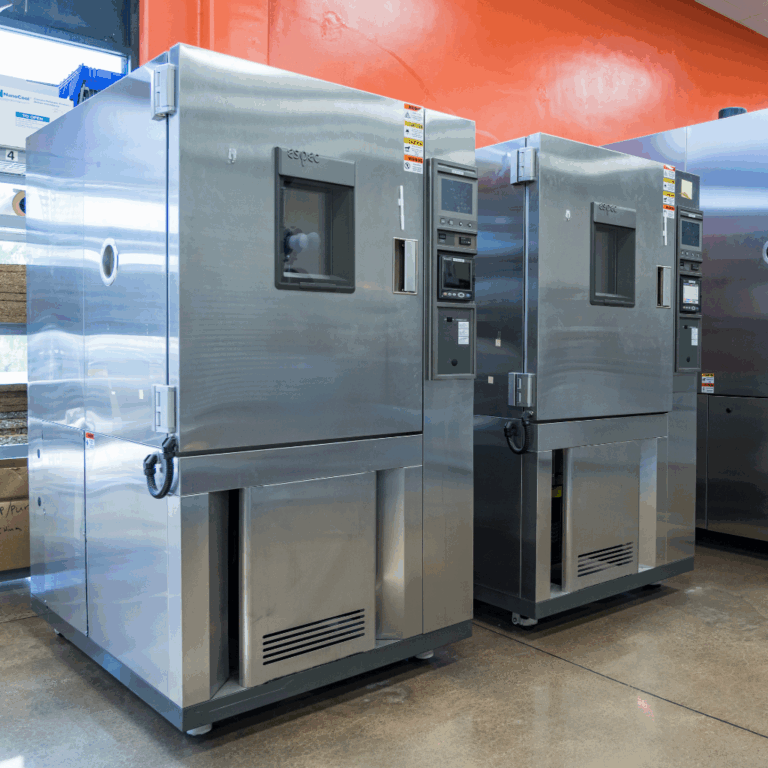
Our ISTA-certified thermal labs help evaluate how packaging performs under a range of real-world conditions. Using advanced modeling, temperature-controlled chambers, and predictive simulations, our engineers assess thermal performance across lanes and seasonal profiles.
From design to qualification, we generate data that supports compliance, improves confidence, and informs smarter packaging decisions.
Proven Performance
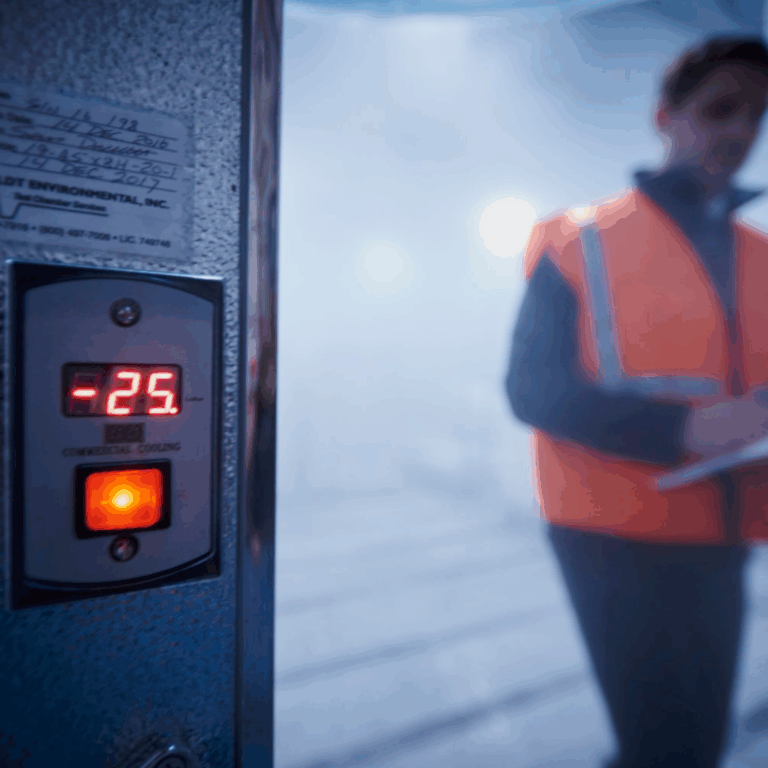
It all starts in our ISTA-certified labs, where real-world testing ensures your packaging delivers consistent, reliable performance.
Advanced Simulation
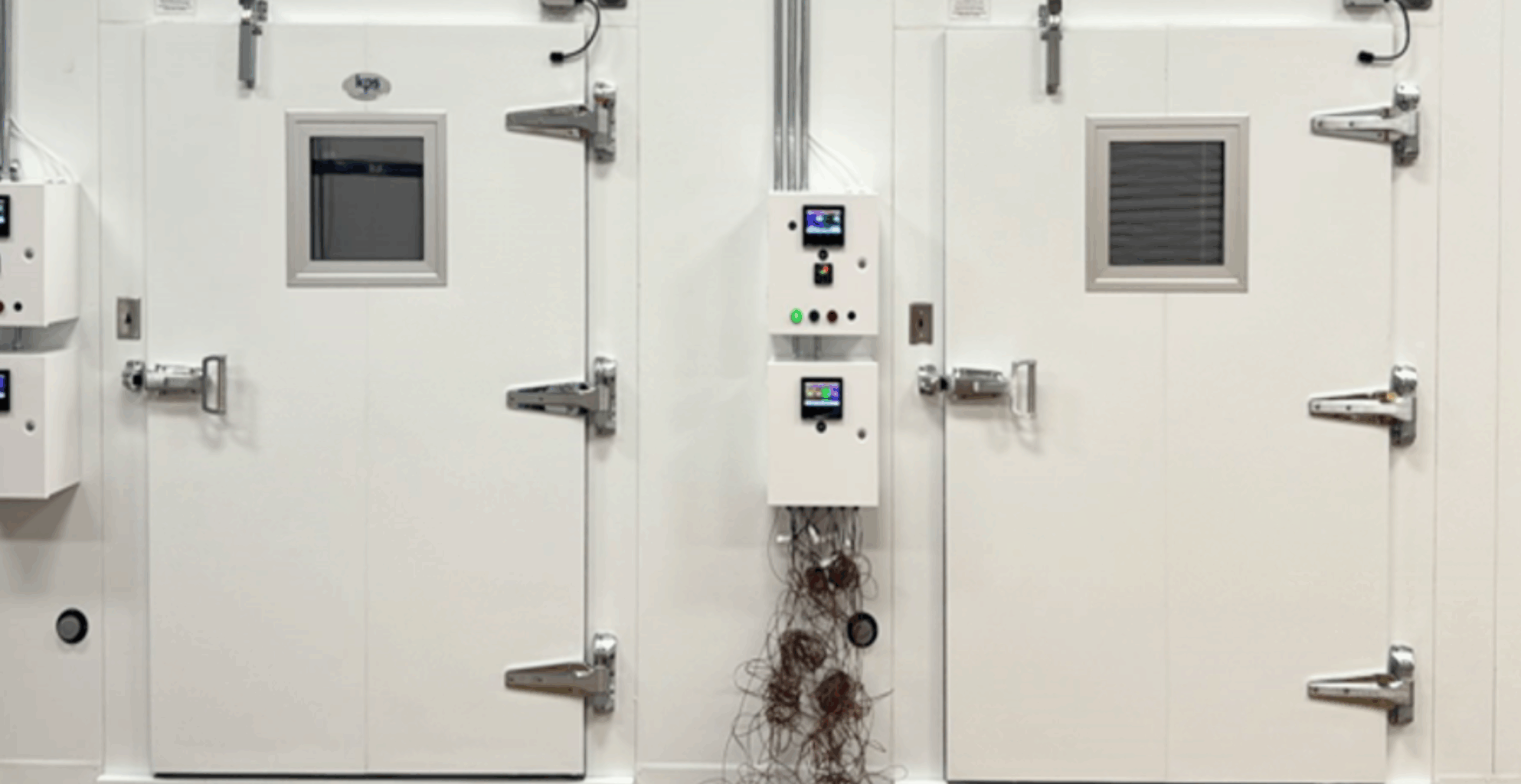
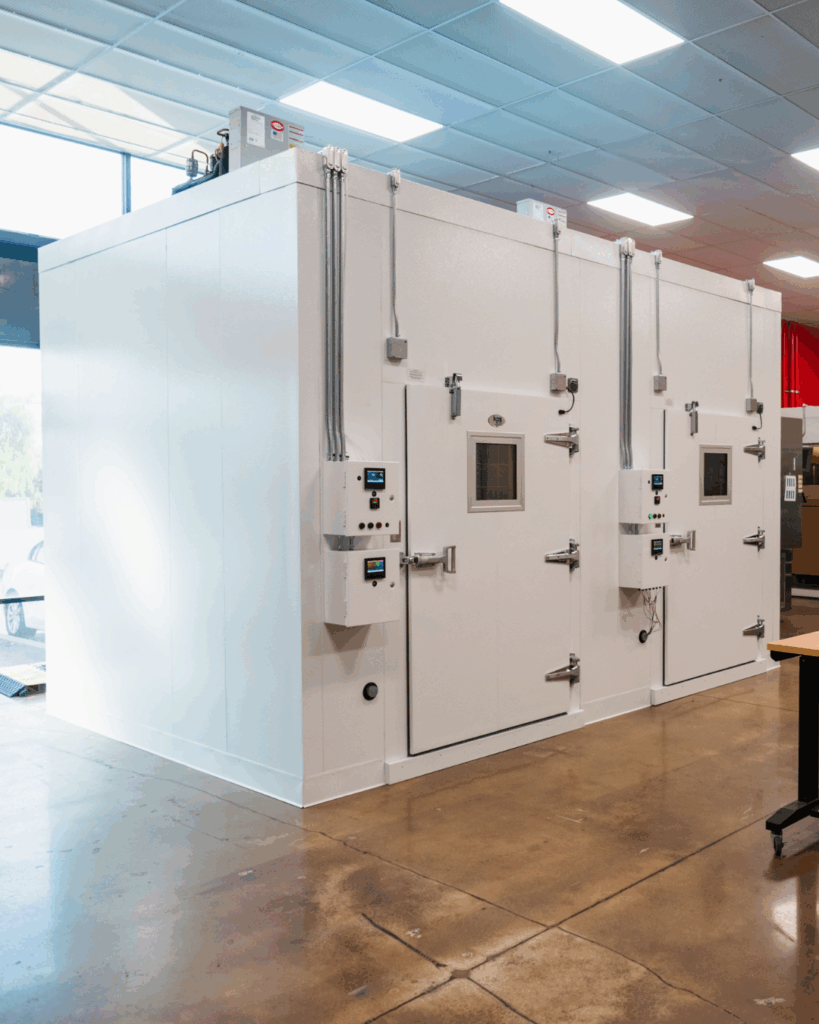
Our dual-compartment environmental chamber delivers precision testing across two independently controlled spaces—each with 670 cubic feet of capacity.
Equipped with thermocouples to monitor up to 30 locations per side, the system offers seamless, real-time insight.
With full remote access for temperature and humidity control, this advanced testing platform enables reliable, repeatable results across a range of conditions.

Certified Expertise
Your packaging faces tough requirements and Veritiv’s certified labs help you meet them with confidence. We’re certified to perform ISTA 1, 2, 3, 6, and 7 Series tests, including 7D and 7E thermal transport profiles.
From parcel and pallet systems to custom validation protocols, our testing capabilities support your team in achieving the thermal, physical, and regulatory standards your products demand.
Engineered Environments
Our thermal chambers and conditioning equipment are designed for precision.
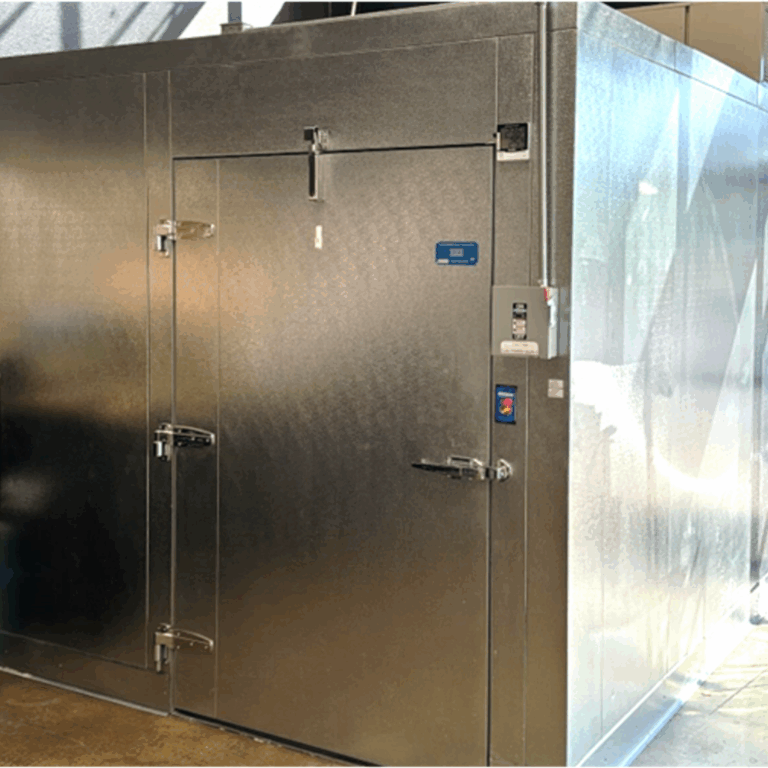
With six temperature and humidity chambers, altitude simulation up to 100,000 ft, and walk-in freezers down to -80°C, we can replicate various shipping environments, helping ensure your packaging performs before it ever leaves the lab.
Frequently Asked Questions (FAQs)
A. Cold Chain refers to the process or products involved in shipping temperature-sensitive items from origin to destination while maintaining a stable environment within the cooler. This prevents spoilage of food and maintains the stability and efficacy of life-altering medications.
A. The four conventional temperature ranges are:
Frozen/Dry Ice (<-20°C) Refrigerated (2-8°C) Ambient/Room Temp (15-25°C) Cryogenic/Liquid Nitrogen Frozen (>-80°C)
A. Temperature excursion occurs when a product that must maintain a specific temperature range falls below or exceeds that range. For example, if a product required to stay between 2°C – 8°C falls below 2°C or rises above 8°C, it results in a temperature excursion.
A. Many factors are used to determine when dry ice should be used over frozen gel packs. Dry ice is one of the more costly options but offers the best duration. It sublimates up to 10 pounds per day depending on the ambient temperature and turns into carbon dioxide. Be cautious of trapped gases when opening the cooler.
Contact Us
Our experts create custom solutions to keep your temperature-controlled products safe and efficient during delivery. Contact us today to get started!