Design & Prototyping
Our cold chain design process combines digital simulation with real-world validation to help you move from concept to qualification faster.
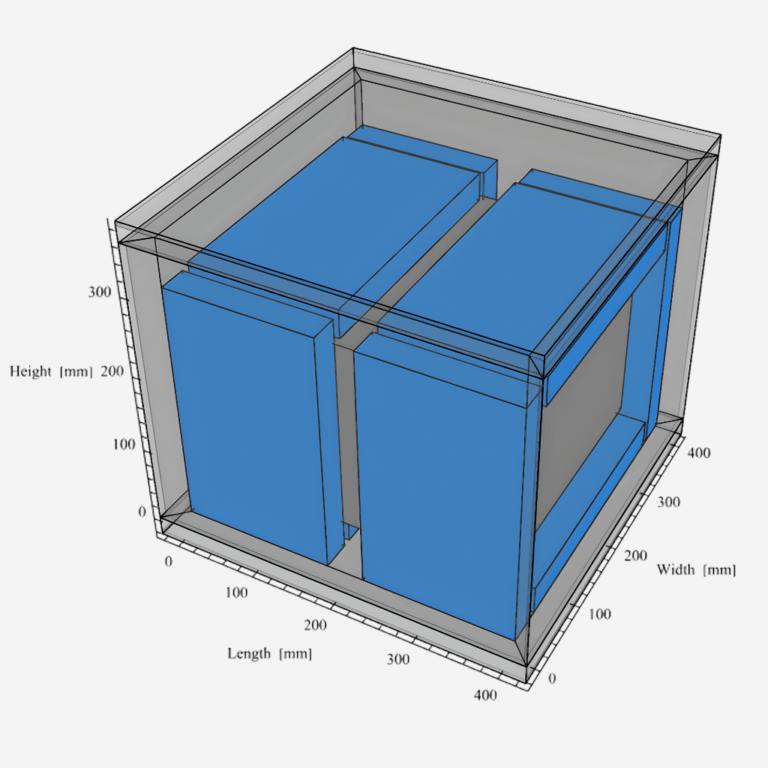
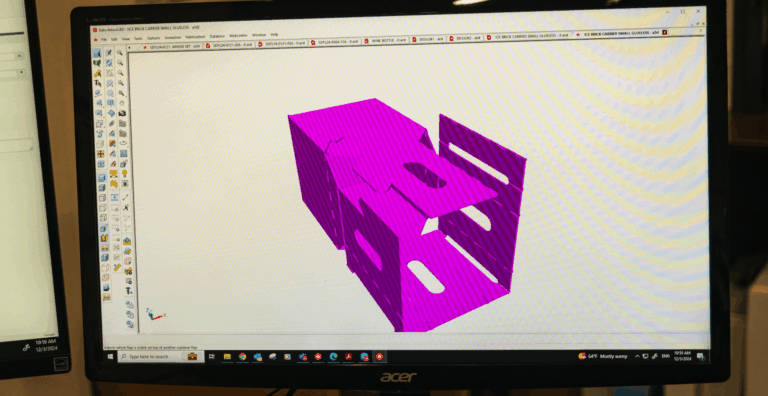
Our design engineers create a digital twin of your packaging system and run thousands of thermal simulations to predict performance before a single prototype is built. The result is a faster path to data-backed design and confident qualification.
Prototype to Proof
We can simulate lane profiles, materials, and refrigerant options, comparing performance across suppliers and configurations.
Built Around Your Challenge
At Veritiv, custom packaging design is more than a capability. It is part of who we are.
Every system begins with a deep understanding of your product, lane, and compliance requirements, then evolves through a series of data driven iterations that balance performance, sustainability, and cost efficiency.
We analyze variables, validate assumptions, and refine continuously until the design meets the highest standards of consistency and reliability.
Innovation in Motion
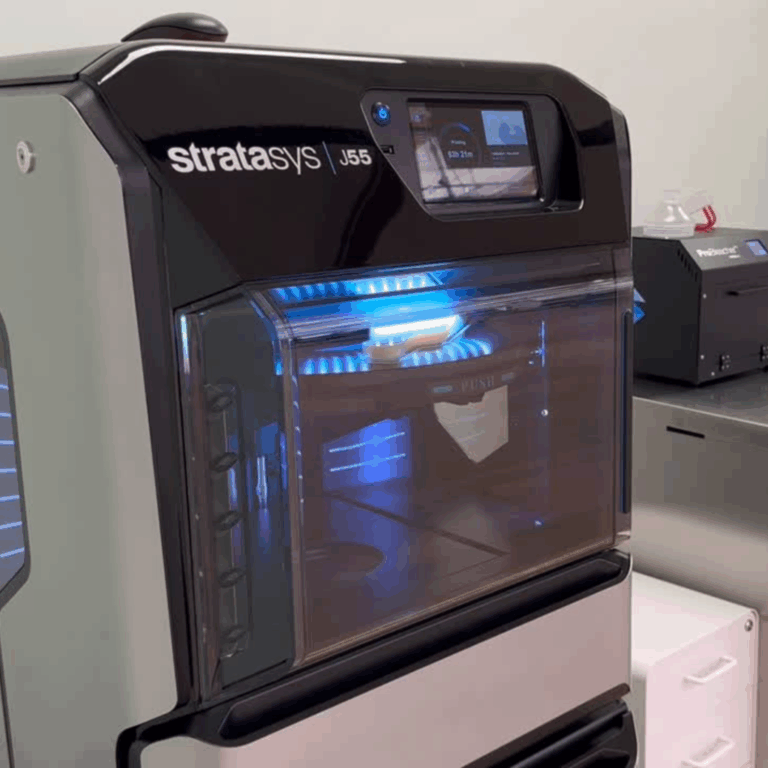
Our engineering team leverages advanced modeling to help reduce qualification time and accelerate time-to-market.
By pairing digital accuracy with physical testing, we help ensure each design is validated for real-world performance.
Data That Drives Design
Each simulation produces actionable insights from temperature curves to material performance.
We transform that data into smarter decisions, helping you refine, validate, and launch packaging systems with confidence.
Frequently Asked Questions (FAQs)
A. Cold Chain refers to the process or products involved in shipping temperature-sensitive items from origin to destination while maintaining a stable environment within the cooler. This prevents spoilage of food and maintains the stability and efficacy of life-altering medications.
A. The four conventional temperature ranges are:
Frozen/Dry Ice (<-20°C) Refrigerated (2-8°C) Ambient/Room Temp (15-25°C) Cryogenic/Liquid Nitrogen Frozen (>-80°C)
A. Temperature excursion occurs when a product that must maintain a specific temperature range falls below or exceeds that range. For example, if a product required to stay between 2°C – 8°C falls below 2°C or rises above 8°C, it results in a temperature excursion.

A. Many factors are used to determine when dry ice should be used over frozen gel packs. Dry ice is one of the more costly options but offers the best duration. It sublimates up to 10 pounds per day depending on the ambient temperature and turns into carbon dioxide. Be cautious of trapped gases when opening the cooler.
Contact Us
Our experts create custom solutions to keep your temperature-controlled products safe and efficient during delivery. Contact us today to get started!