Distribution Testing

Every shipment faces real-world conditions from vibration on the road to impact during handling. Our distribution testing services help you understand how your packaging performs across every stress point in the supply chain.

Our ISTA-certified labs test, validate, and document results to help you meet carrier requirements, improve design, and protect product integrity.

Proven in Practice

Our experts interpret results, recommend improvements, and guide you through carrier and ISTA compliance, turning complex requirements into solutions.

Performance Meets Responsibility

Every test is an opportunity to design smarter and waste less.

By measuring how materials perform across the supply chain, we help you reduce damage, right-size packaging, and choose solutions that balance protection with environmental impact.

Sustainability isn’t an afterthought—it’s built into every test we run.

Where performance and purpose align.

Testing That Reflects Reality

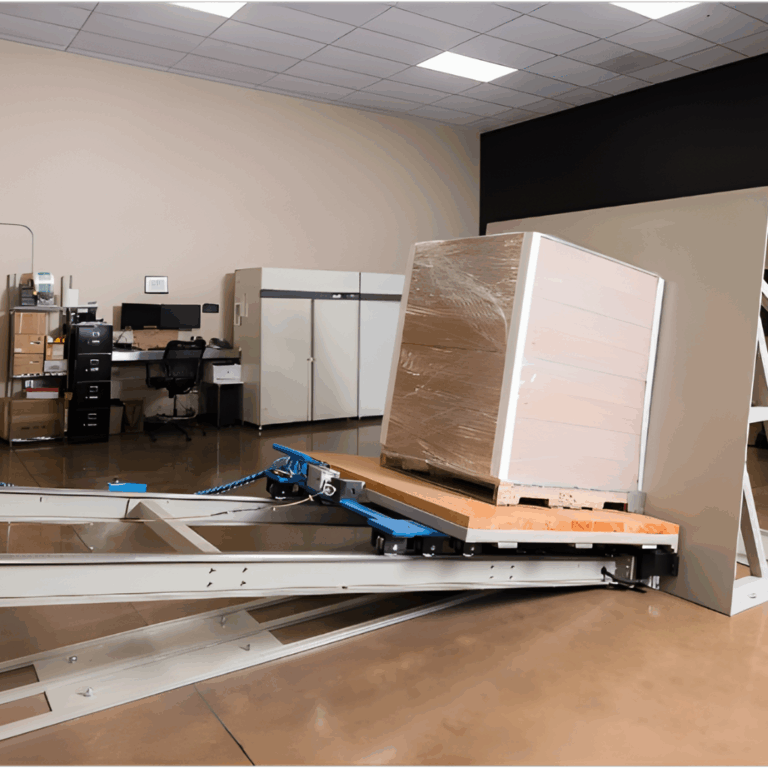
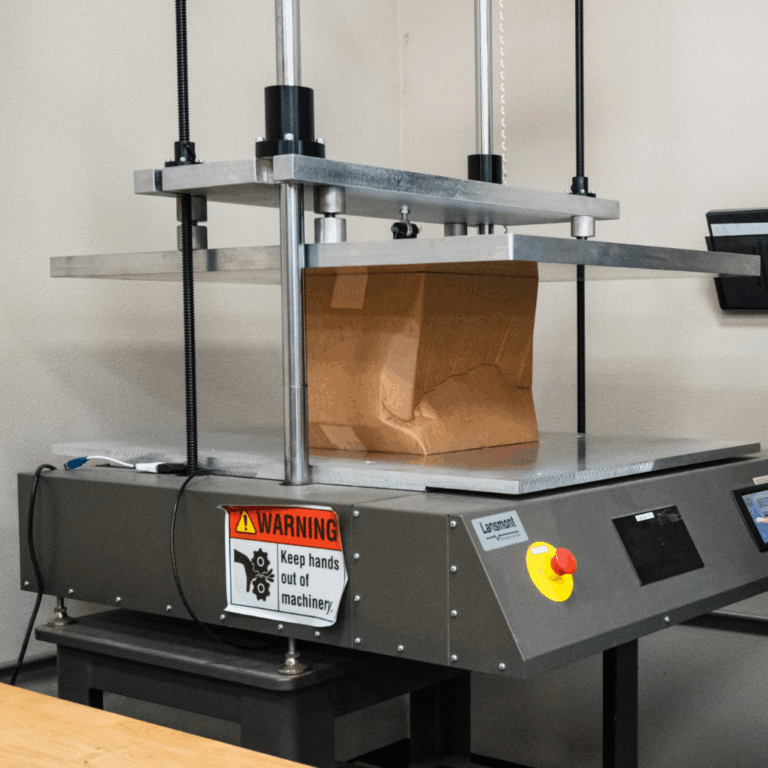
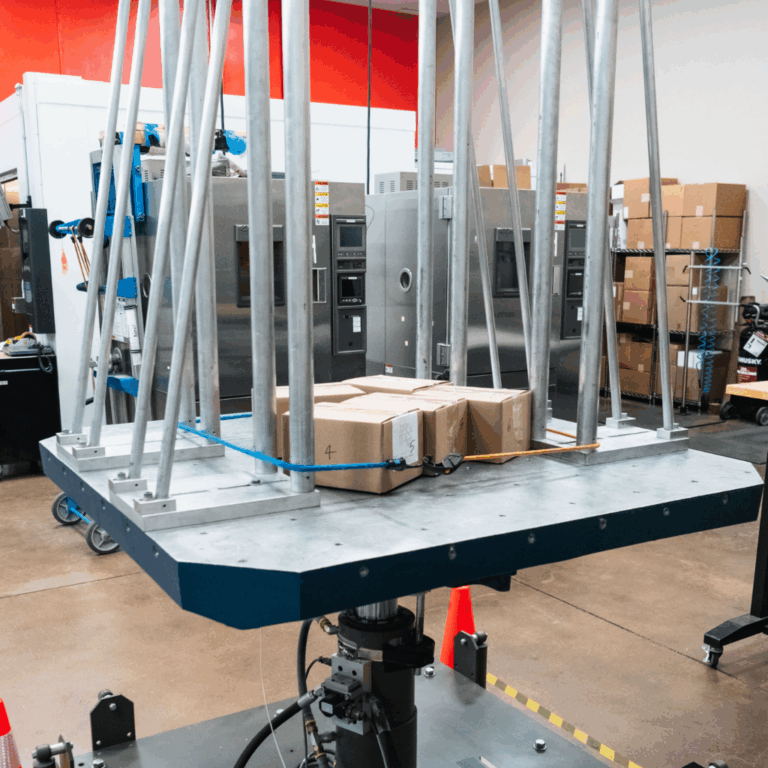
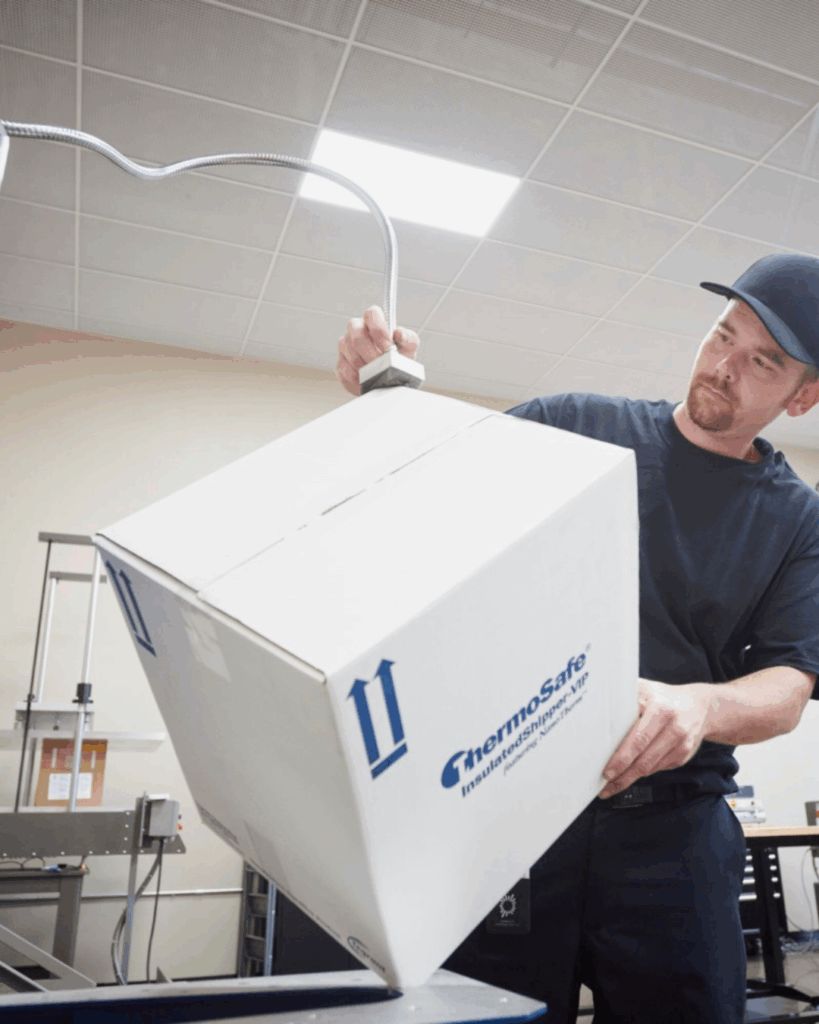
Our distribution labs evaluate packaging through a full range of physical tests including shock, drop, vibration, vertical, and compression.

Each simulation helps verify durability and performance under the exact stresses your shipment will face in real-world handling.

Certified for Every Carrier

From parcel to pallet, we help you meet the testing and documentation standards of Amazon APASS, FedEx, and UPS.

Our certified process streamlines qualification, ensuring your packaging meets carrier expectations and reaches customers without disruption.

Frequently Asked Questions (FAQs)​

Q. What does "Cold Chain" mean?

A. Cold Chain refers to the process or products involved in shipping temperature-sensitive items from origin to destination while maintaining a stable environment within the cooler. This prevents spoilage of food and maintains the stability and efficacy of life-altering medications.

Q. What are the most common temperature ranges for cold chain shipping?

A. The four conventional temperature ranges are:​

Frozen/Dry Ice (<-20°C)​ Refrigerated (2-8°C)​ Ambient/Room Temp (15-25°C)​ Cryogenic/Liquid Nitrogen Frozen (>-80°C)

Q. What is a temperature excursion?

A. Temperature excursion occurs when a product that must maintain a specific temperature range falls below or exceeds that range. For example, if a product required to stay between 2°C – 8°C falls below 2°C or rises above 8°C, it results in a temperature excursion.​

Q. Is dry ice better than frozen gel packs for shipping frozen products?

A. Many factors are used to determine when dry ice should be used over frozen gel packs. Dry ice is one of the more costly options but offers the best duration. It sublimates up to 10 pounds per day depending on the ambient temperature and turns into carbon dioxide. Be cautious of trapped gases when opening the cooler.

Contact Us

Our experts create custom solutions to keep your temperature-controlled products safe and efficient during delivery. Contact us today to get started!

Sign in to Veritiv

Registered customers in the Northeast can now purchase on veritiv.com for delivery to CT, DE, MA, MD, ME, NH, NJ, NY, RI, VT, and Eastern PA. 

Need help signing in? Email eBusinessSupport@veritivcorp.com

Email Address

Password

Already a Customer and Need an
Online Account?

Outside the Northeast?

If your delivery state is not yet listed on the left, continue purchasing on commerce.veritivcorp.com

Login and ship other legacy brands.

Sign In

Registered customers in the Northeast can now purchase on veritiv.com for delivery to CT, DE, MA, MD, ME, NH, NJ, NY, RI, VT, and Eastern PA. 

Need help signing in? Email eBusinessSupport@veritivcorp.com

Email Address

Password

Already a Customer and Need an Online Account?

Outside the Northeast?

If your delivery state is not yet listed on the left, continue purchasing on commerce.veritivcorp.com

Login and ship other legacy brands.