Qualification

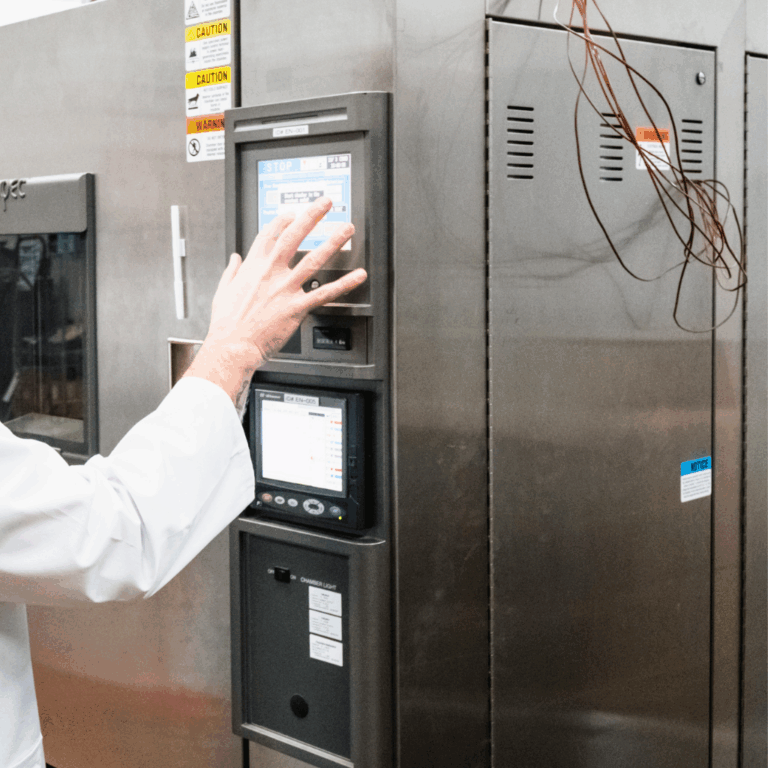
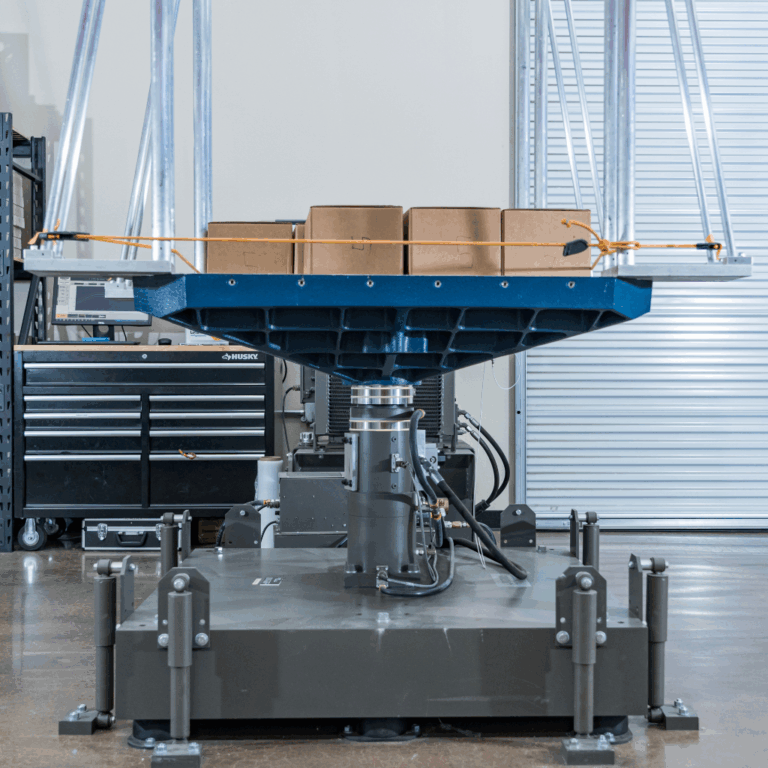
Our qualification process bridges the gap between lab testing and real-world reliability. We conduct controlled thermal trials, lane mapping, and data analysis to confirm packaging integrity and temperature stability.

Each qualification report includes test protocols, performance data, and compliance documentation, giving your teams confidence in system readiness. 

Validation to Verification

Our qualification process transforms complex data into clear, actionable insight your QA teams can use.

Partnership in Practice

Qualification works best when it’s collaborative.

Our engineers, cold chain specialists, and compliance experts partner with your teams from design through deployment to align every system with your performance, sustainability, and regulatory goals.

Together, we turn technical testing into shared success.

aligned for success

Documented for Compliance

Our qualification packages include complete test data, thermal profiles, and reports built for audit and regulatory review.

Our experts collaborate with your QA and compliance teams to simplify documentation and help maintain inspection readiness across every market.

Ready for Deployment

Once qualified, systems can be standardized across products and sites for faster rollout and fewer requalification steps.

We help your teams move from testing to implementation with consistent performance and proven reliability.

Frequently Asked Questions (FAQs)​

Q. What does "Cold Chain" mean?

A. Cold Chain refers to the process or products involved in shipping temperature-sensitive items from origin to destination while maintaining a stable environment within the cooler. This prevents spoilage of food and maintains the stability and efficacy of life-altering medications.

Q. What are the most common temperature ranges for cold chain shipping?

A. The four conventional temperature ranges are:​

Frozen/Dry Ice (<-20°C)​ Refrigerated (2-8°C)​ Ambient/Room Temp (15-25°C)​ Cryogenic/Liquid Nitrogen Frozen (>-80°C)

Q. What is a temperature excursion?

A. Temperature excursion occurs when a product that must maintain a specific temperature range falls below or exceeds that range. For example, if a product required to stay between 2°C – 8°C falls below 2°C or rises above 8°C, it results in a temperature excursion.​

Q. Is dry ice better than frozen gel packs for shipping frozen products?

A. Many factors are used to determine when dry ice should be used over frozen gel packs. Dry ice is one of the more costly options but offers the best duration. It sublimates up to 10 pounds per day depending on the ambient temperature and turns into carbon dioxide. Be cautious of trapped gases when opening the cooler.

Contact Us

Our experts create custom solutions to keep your temperature-controlled products safe and efficient during delivery. Contact us today to get started!

Sign in to Veritiv

Registered customers in the Northeast can now purchase on veritiv.com for delivery to CT, DE, MA, MD, ME, NH, NJ, NY, RI, VT, and Eastern PA. 

Need help signing in? Email eBusinessSupport@veritivcorp.com

Email Address

Password

Already a Customer and Need an
Online Account?

Outside the Northeast?

If your delivery state is not yet listed on the left, continue purchasing on commerce.veritivcorp.com

Login and ship other legacy brands.

Sign In

Registered customers in the Northeast can now purchase on veritiv.com for delivery to CT, DE, MA, MD, ME, NH, NJ, NY, RI, VT, and Eastern PA. 

Need help signing in? Email eBusinessSupport@veritivcorp.com

Email Address

Password

Already a Customer and Need an Online Account?

Outside the Northeast?

If your delivery state is not yet listed on the left, continue purchasing on commerce.veritivcorp.com

Login and ship other legacy brands.