
Molded EPS

Longer Duration Performance
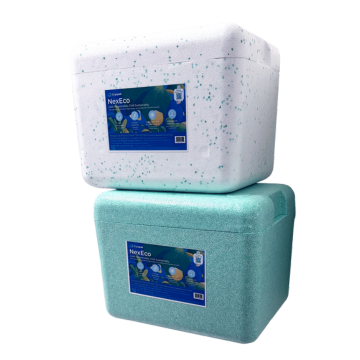
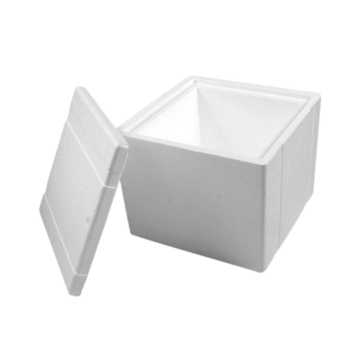
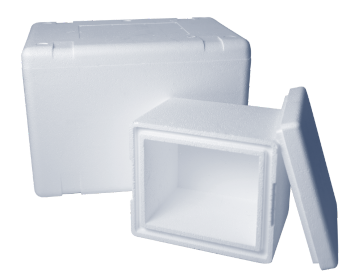
Molded EPS coolers are designed to deliver reliable temperature control for extended transit durations. Their high R-value insulation and two-piece construction can help minimize edge loss, maintaining product integrity for up to 96 hours under tested conditions.
Versatile Packouts
Compatible with a wide range of refrigerants—including gel packs, foam bricks, phase change materials (PCM), and vacuum insulated panels (VIP)—these coolers can be easily configured to meet diverse product and lane requirements.
Prequalified Solutions
Available in validated sizes and tested packout configurations, molded EPS coolers can help streamline your qualification process and accelerate deployment. With ongoing advancements in material recovery and recycling, they also support evolving sustainability and compliance goals.
Insulated Performance
Engineered for performance and reliability, molded EPS coolers can provide durable thermal protection for temperature-sensitive shipments, helping you maintain cold chain integrity from pack-out to delivery.
Frequently Asked Questions (FAQs)
A. Cold Chain refers to the process or products involved in shipping temperature-sensitive items from origin to destination while maintaining a stable environment within the cooler. This prevents spoilage of food and maintains the stability and efficacy of life-altering medications.
A. The four conventional temperature ranges are:
Frozen/Dry Ice (<-20°C) Refrigerated (2-8°C) Ambient/Room Temp (15-25°C) Cryogenic/Liquid Nitrogen Frozen (>-80°C)
A. Temperature excursion occurs when a product that must maintain a specific temperature range falls below or exceeds that range. For example, if a product required to stay between 2°C – 8°C falls below 2°C or rises above 8°C, it results in a temperature excursion.
A. Many factors are used to determine when dry ice should be used over frozen gel packs. Dry ice is one of the more costly options but offers the best duration. It sublimates up to 10 pounds per day depending on the ambient temperature and turns into carbon dioxide. Be cautious of trapped gases when opening the cooler.
Contact Us
Our experts create custom solutions to keep your temperature-controlled products safe and efficient during delivery. Contact us today to get started!