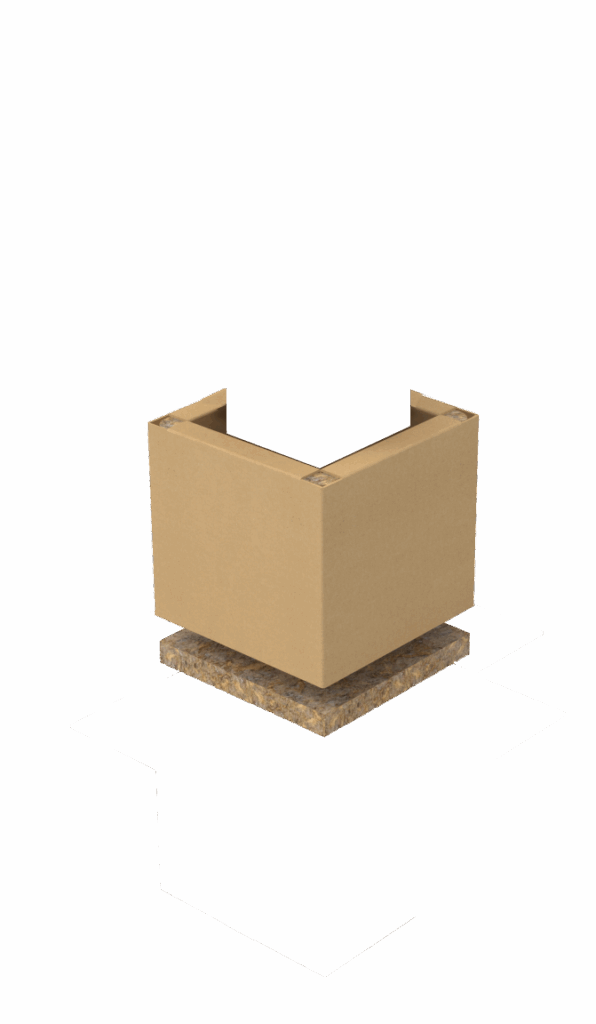
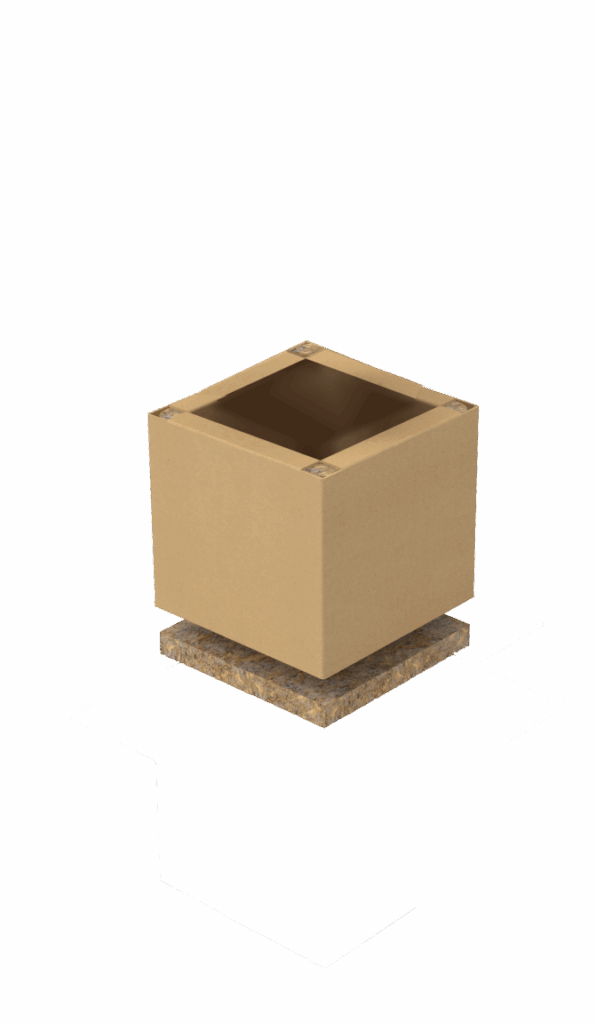
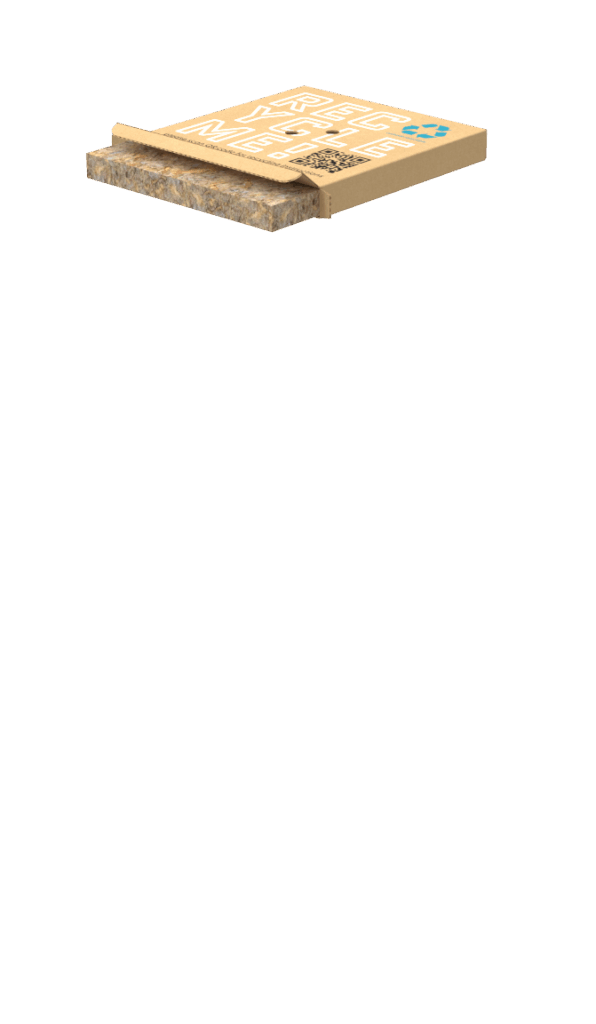
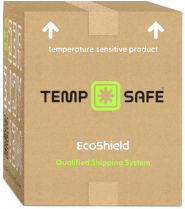
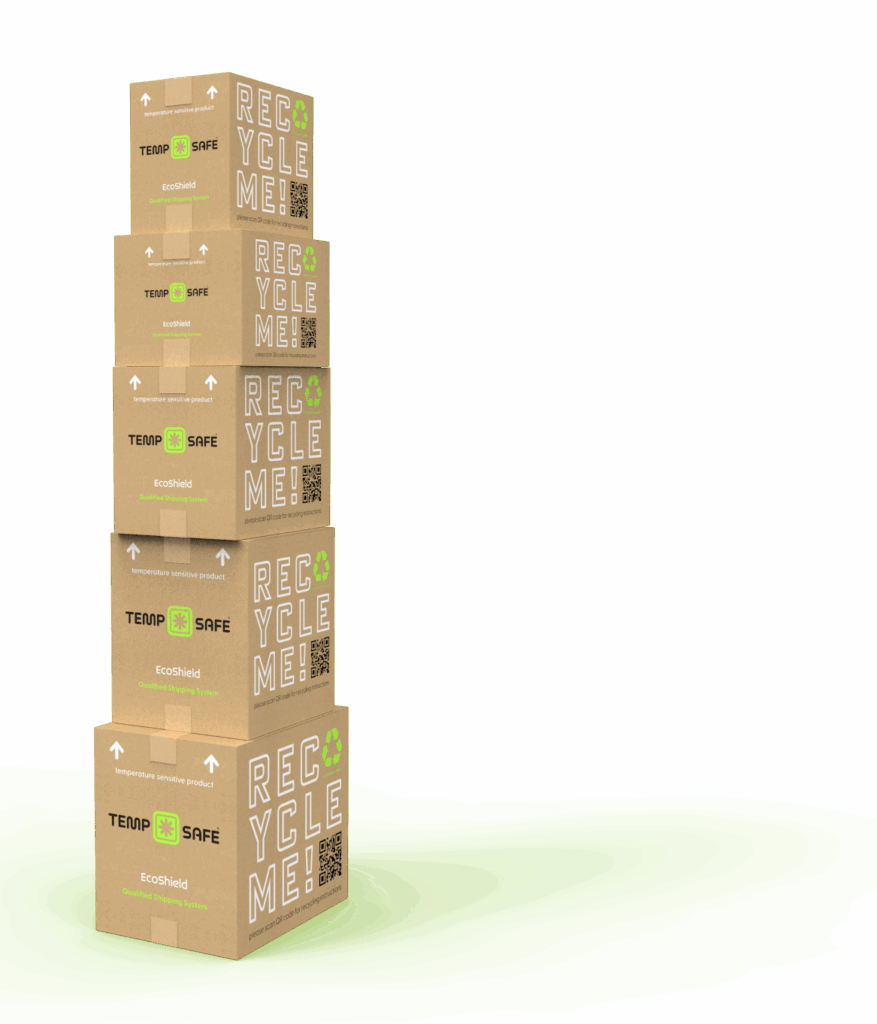
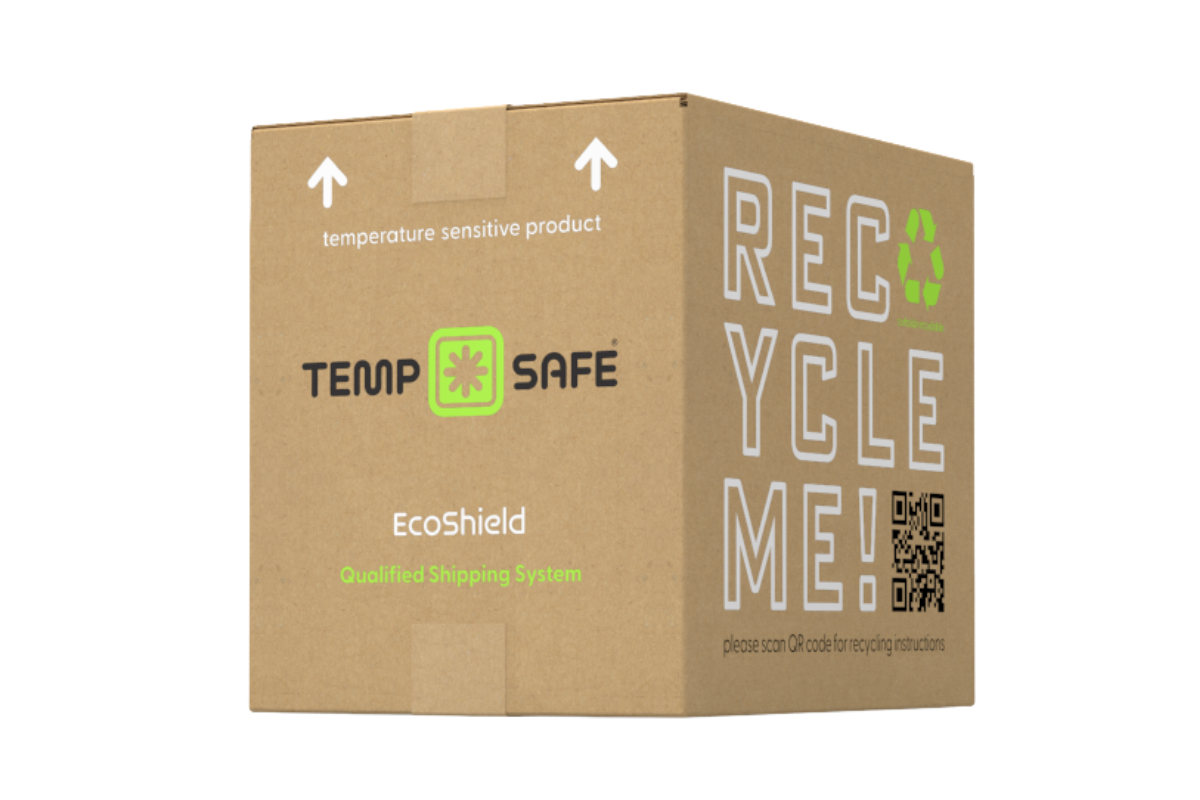
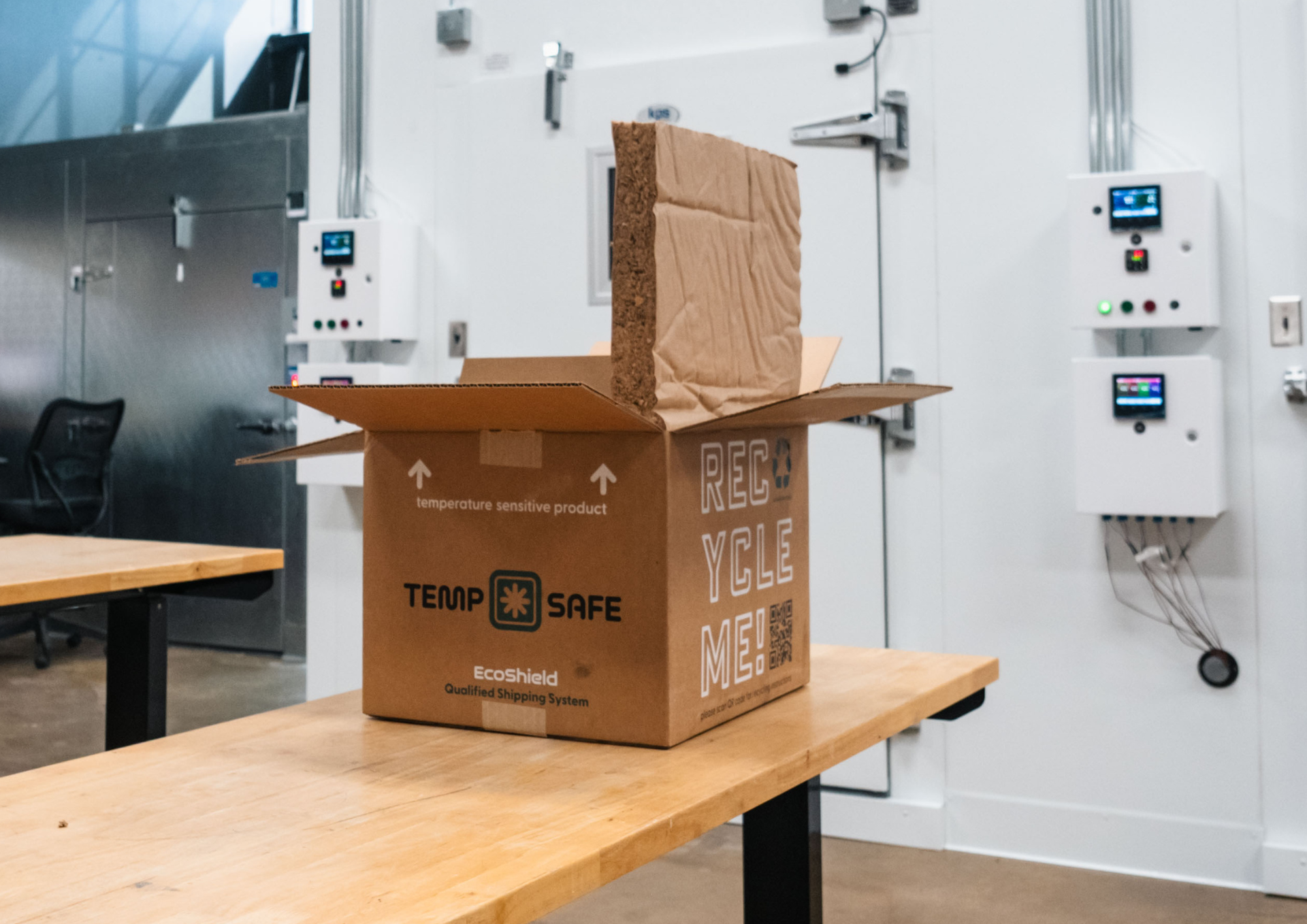
EcoShield™
E-commerce and perishable shipments needing 36–48 hour seasonal protection
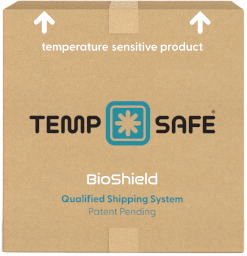
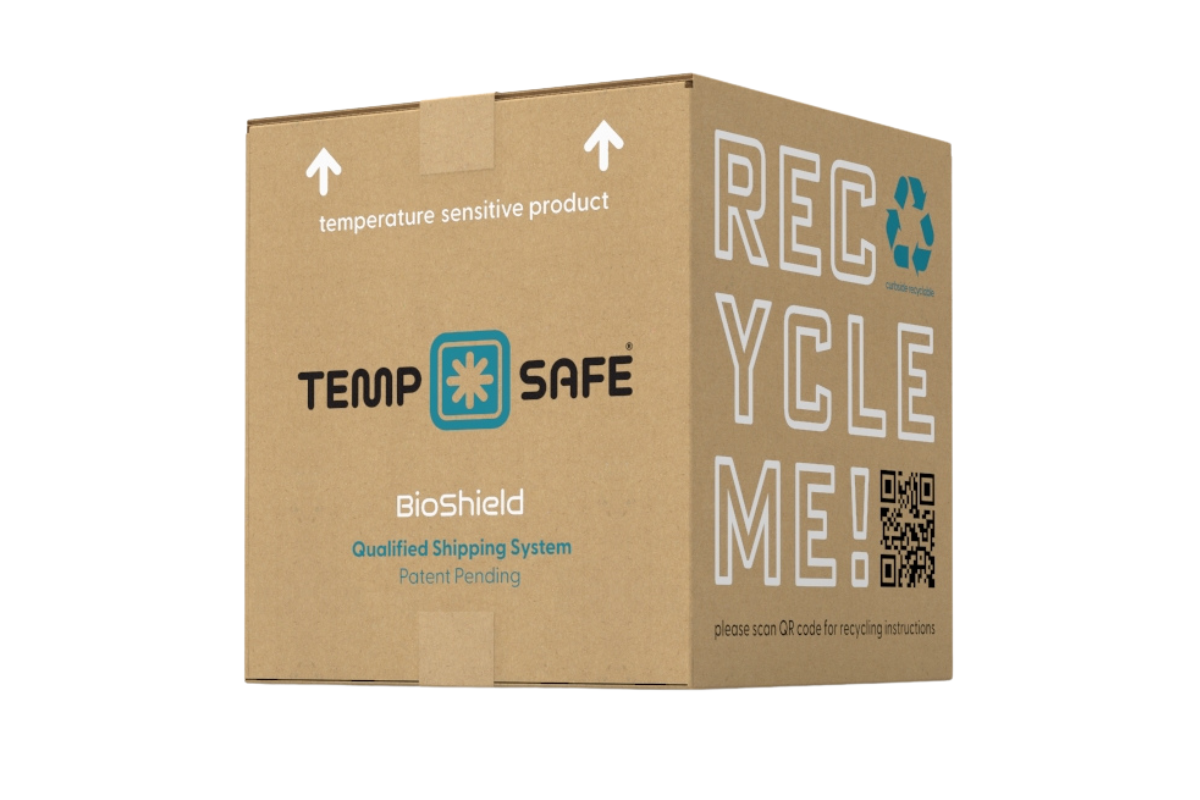
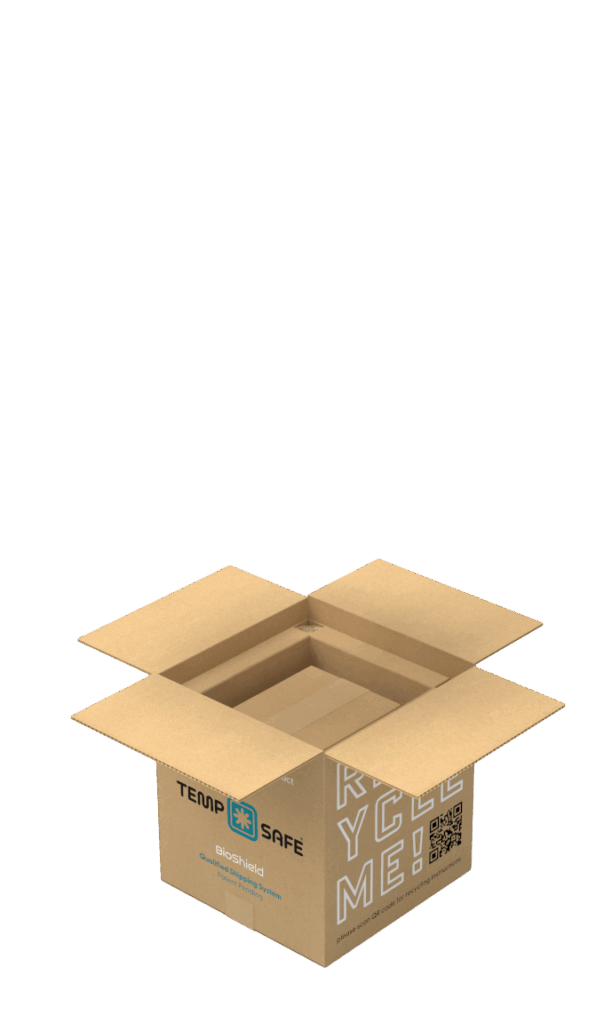
BioShield™
Pharmaceuticals and life science applications requiring up to 72-hour protection
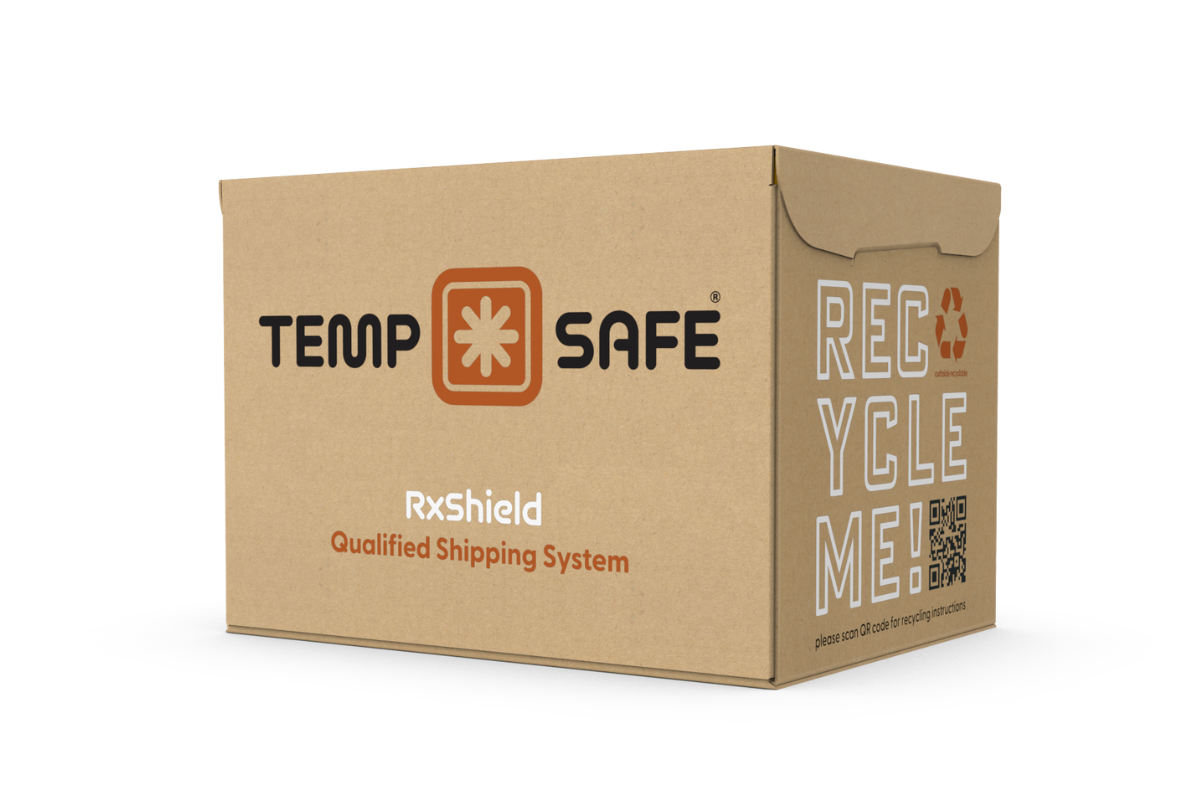
RxShield™
Specialty pharma, diagnostics, and clinical shipments requiring thermal stability
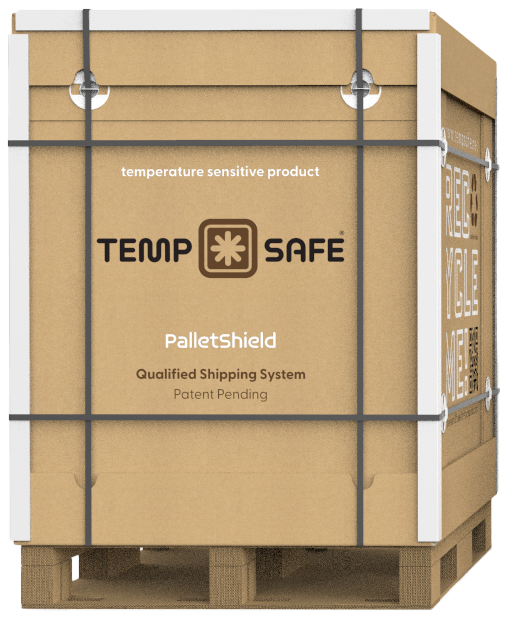
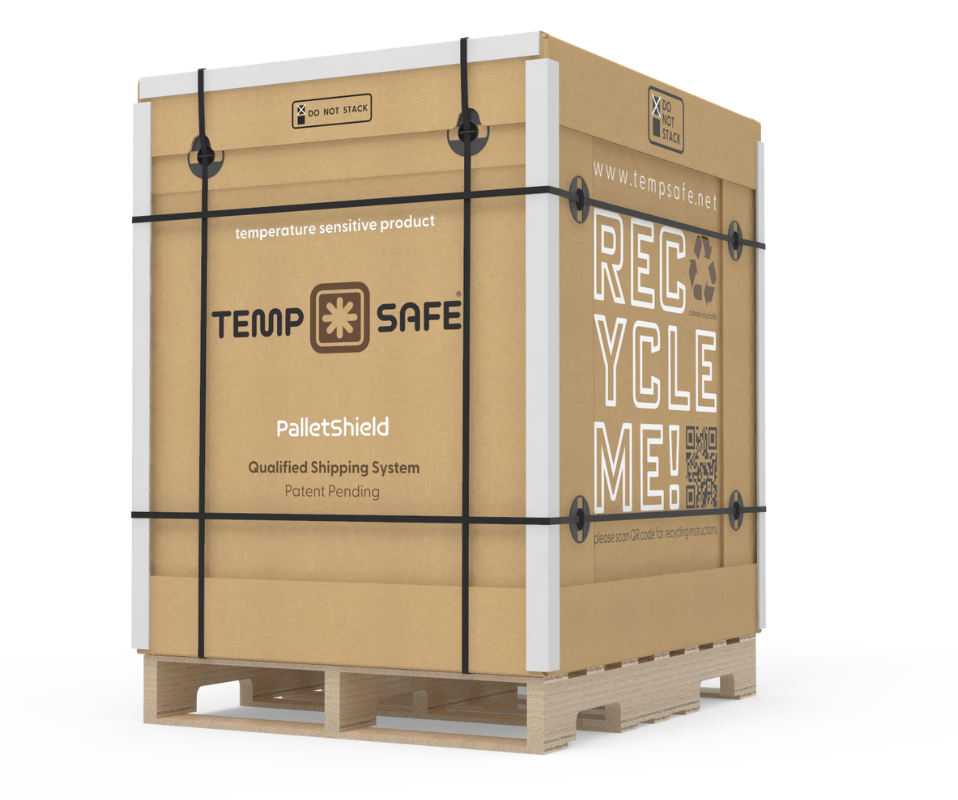
PalletShield™
Bulk cold chain logistics and palletized shipments needed 96-144 hour protection
TempSafe® Prequalified Shippers
TempSafe™ systems take the guesswork out of cold chain packaging. Each shipper is prequalified through rigorous ISTA 7D and 7E testing to maintain temperature integrity across real-world shipping lanes.
Designed by Veritiv’s thermal engineers and validated in our certified labs, TempSafe™ combines reliable protection with sustainable design — giving you performance you can trust and compliance you can document.
Stay Cool with Patent-Pending TempSafe®
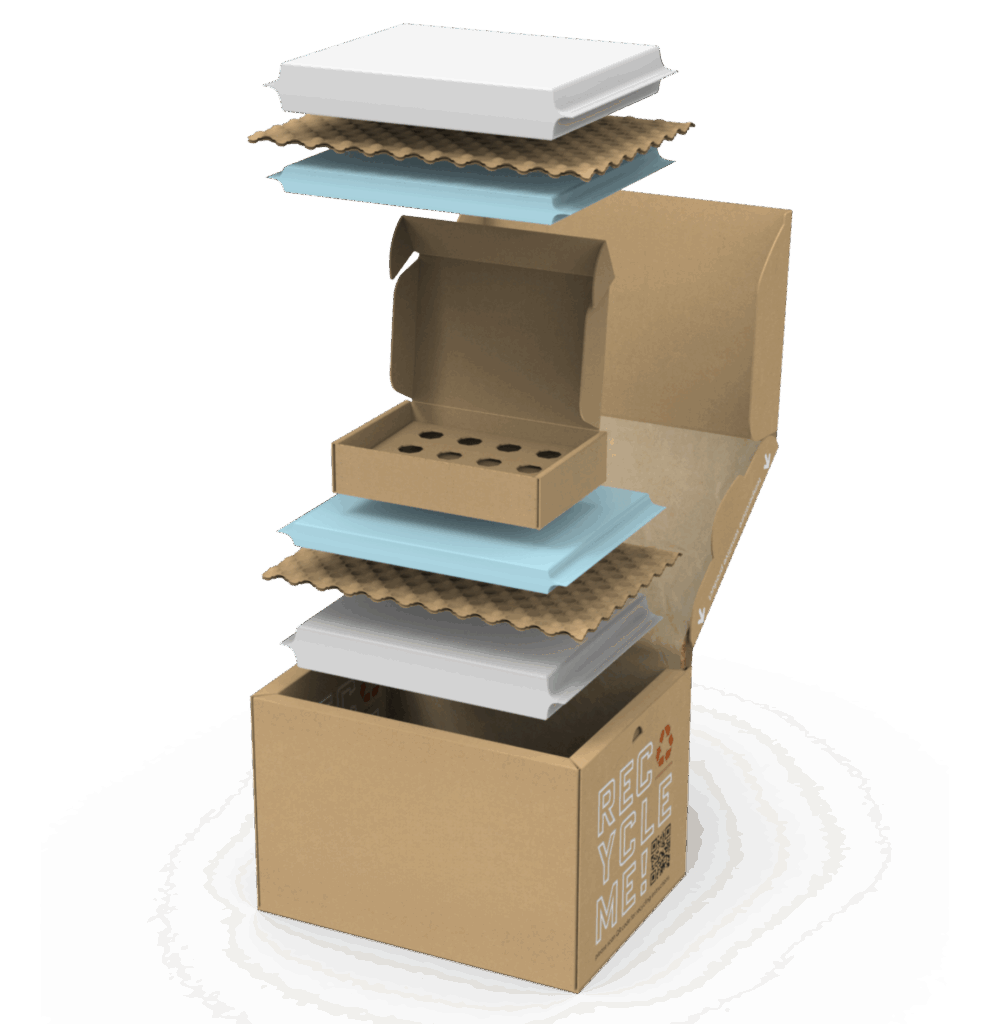
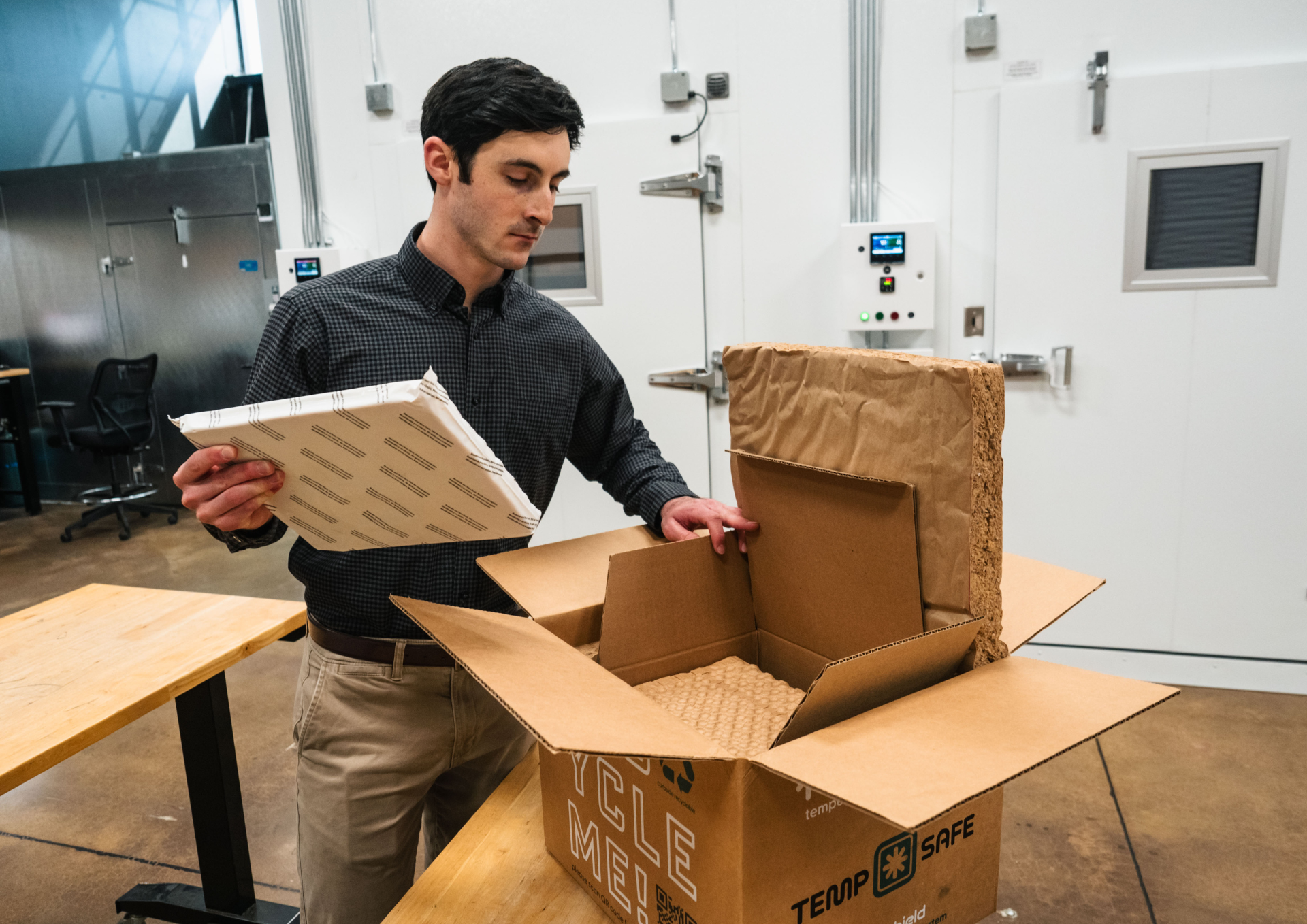
TempSafe® by Veritiv offers a proprietary line of patent-pending, pre-qualified cellulose-based thermal packaging designed to meet the seasonal demands of your global supply chain while reducing your packaging’s carbon footprint.
-
TempSafe® BioShield™ -
TempSafe® EcoShield™ -
TempSafe® RxShield™ -
TempSafe® PalletShield™
Created in Our Lab
Developed in Veritiv’s Cold Chain Lab, TempSafe™ was engineered with the environment in mind from day one. Every design choice—from material selection to validation—was guided by a vision to create a recyclable shipper that performs with purpose. It’s the result of science, sustainability, and innovation coming together to move cold chain packaging forward.
Frequently Asked Questions (FAQs)
A. Cold Chain refers to the process or products involved in shipping temperature-sensitive items from origin to destination while maintaining a stable environment within the cooler. This prevents spoilage of food and maintains the stability and efficacy of life-altering medications.
A. The four conventional temperature ranges are:
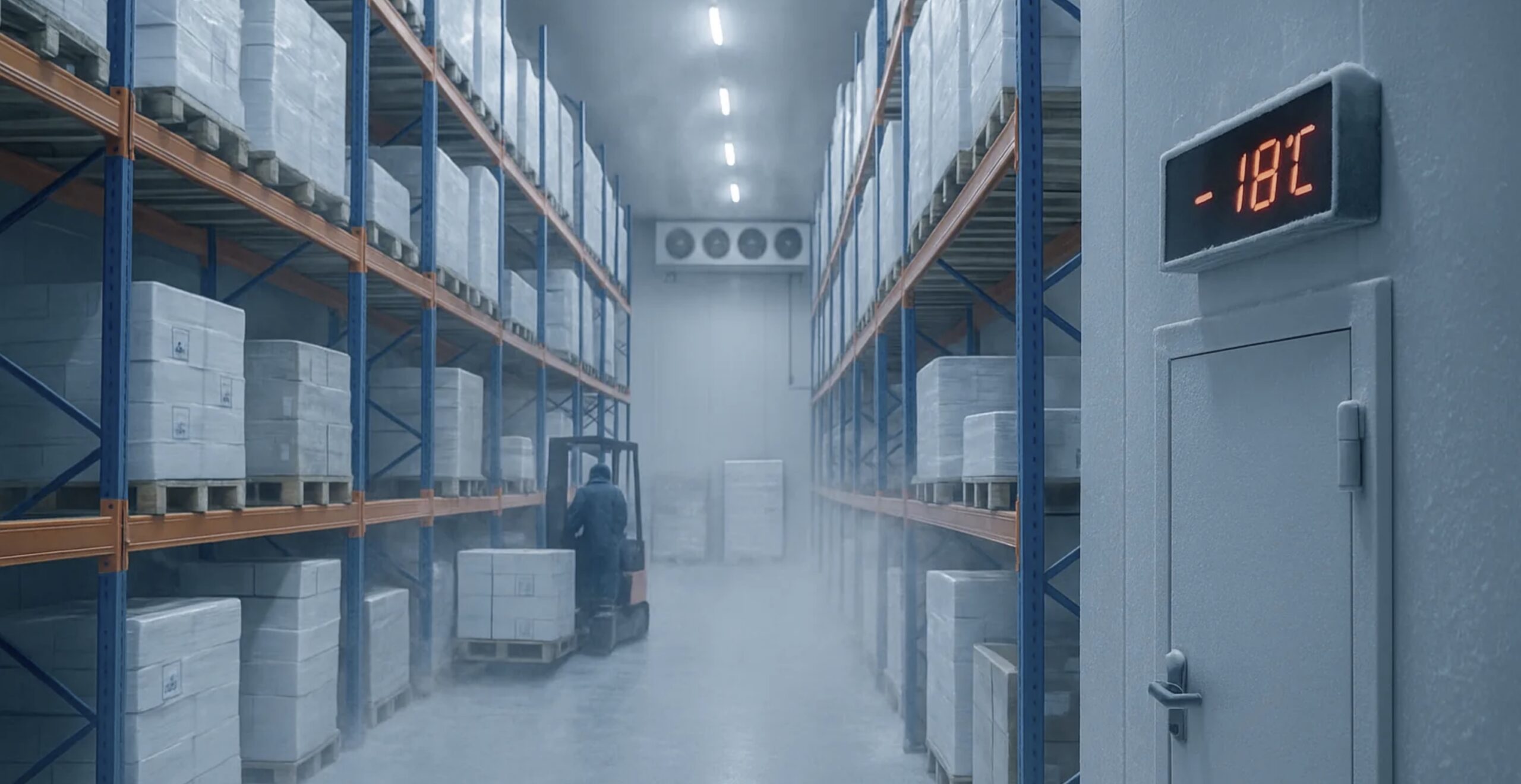
Frozen/Dry Ice (<-20°C) Refrigerated (2-8°C) Ambient/Room Temp (15-25°C) Cryogenic/Liquid Nitrogen Frozen (>-80°C)
A. Temperature excursion occurs when a product that must maintain a specific temperature range falls below or exceeds that range. For example, if a product required to stay between 2°C – 8°C falls below 2°C or rises above 8°C, it results in a temperature excursion.
A. Many factors are used to determine when dry ice should be used over frozen gel packs. Dry ice is one of the more costly options but offers the best duration. It sublimates up to 10 pounds per day depending on the ambient temperature and turns into carbon dioxide. Be cautious of trapped gases when opening the cooler.
Contact Us
Our experts create custom solutions to keep your temperature-controlled products safe and efficient during delivery. Contact us today to get started!