In the world of logistics, “speed to market” is a primary goal. However, in cold chain, speed is meaningless without temperature stability. As of 2026, managing temperature-sensitive shipments has moved from a warehouse task to a multi-billion-dollar business strategy.
If you are new to the world of cold chain, the “math” of your packaging is the difference between a successful delivery and a total loss. To understand where this industry is headed, we have to look at the cold chain by the numbers.
Cold Chain is Rapidly Growing
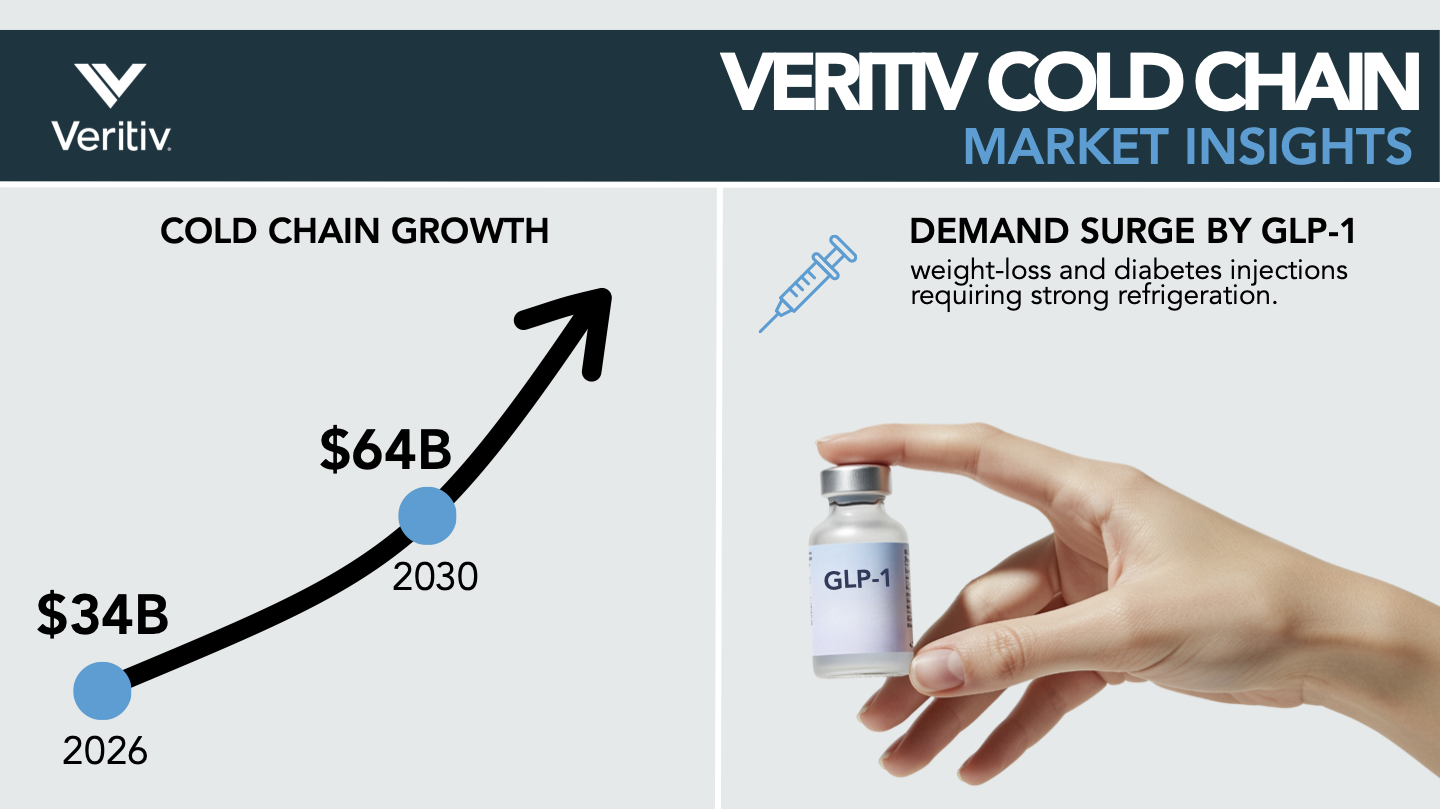
While the total logistics world is massive, the specific global market for cold chain packaging is valued at approximately $34 billion in 2026.
This growth is being pushed by a new generation of medicine. For example, the “GLP-1 effect”, the huge surge in weight-loss and diabetes injections, requires strict refrigeration from the factory to the patient. Because of these and other specialized medicines, the market is projected to skyrocket to over $64 billion by 2030.
This data confirms one thing: the demand for validated cold chain packaging solutions is no longer a seasonal peak. It is a permanent state of growth.
The Cost of Packaging Failures
Why is there such an aggressive push for better packaging? Because the cost of “doing nothing” is astronomical.
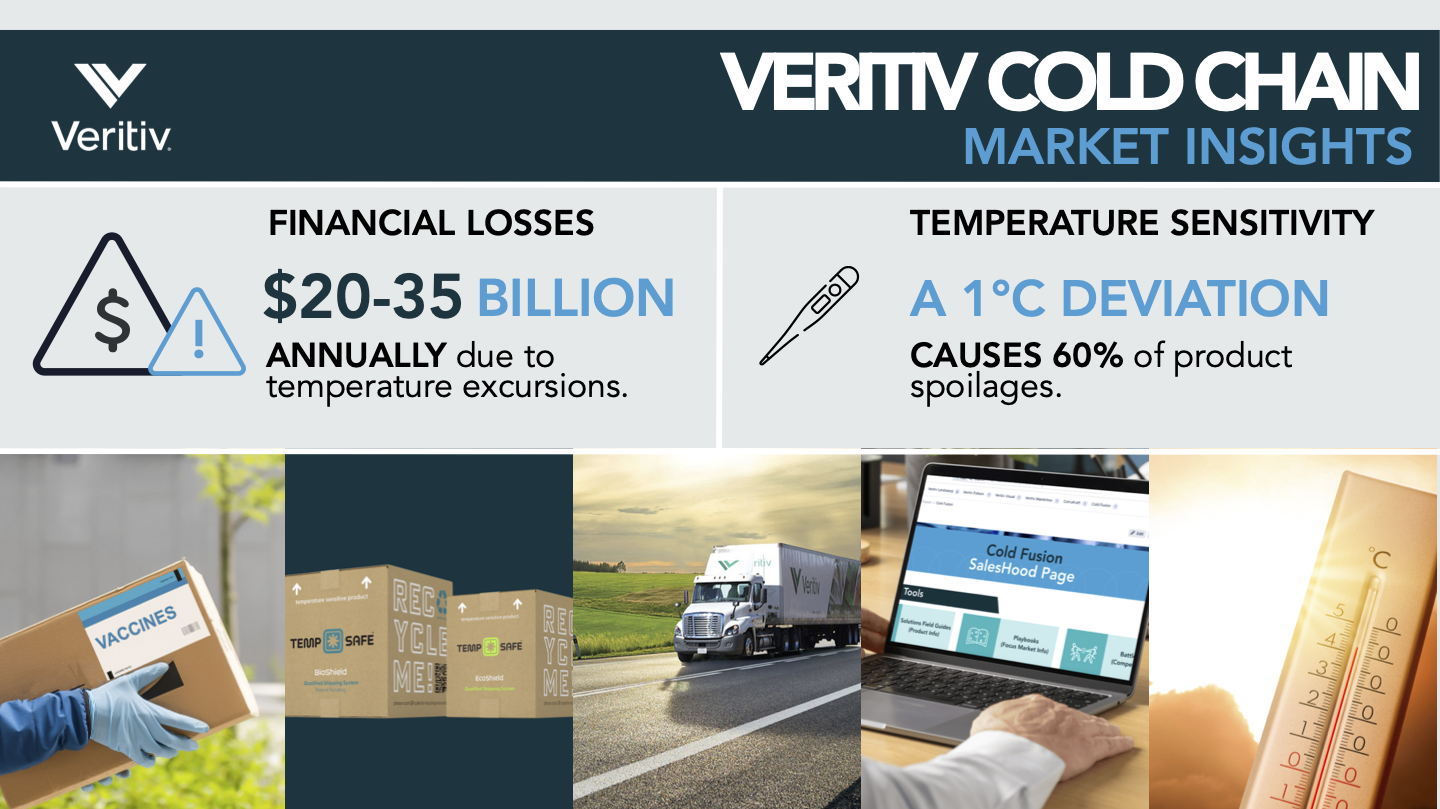
Industry experts estimate that the pharmaceutical sector loses between $20 billion and $35 billion every year due to cold chain failures. A cold chain failure is known as a “temperature excursion.” This is a technical term for any time a product spends time outside its allowed temperature range.
When shipping biologics (complex medicines made from living cells), the stakes are high. These shipments can be valued at over $500,000 per pallet. If the temperature is not maintained, the medicine can lose its effectiveness and must be destroyed.
- 20% of temperature-sensitive cargo damaged during transport due to packaging or handling errors.
- 1°C change in temperature can result in a total loss for many modern vaccines.
- 60% of damages can be avoided by using a properly engineered and validated solution.
Materials that Matter
In 2026, we are seeing a shift in the materials used to protect these high-value goods. While standard foam (EPS) is still used for cheap, short trips, newer materials are taking over the professional market.
- Vacuum Insulated Panels (VIP): These act like a high-end thermos for your pallet. They offer much higher protection in a thinner box, which is a major advantage for international shipping.
- Phase Change Materials (PCM): These are advanced “ice packs.” Unlike regular ice, PCMs can be engineered to stay at a very specific temperature (like exactly 5°C) for several days, regardless of the weather outside.
- The 96-Hour Standard: Most international shipments now require packaging that is “qualified” to last for at least 96 to 120 hours. This creates a safety window in case of delays at customs or airports.
Improving the Bottom Line
One of the most important concepts for a cold chain professional is Volumetric Efficiency. This is the ratio of how much actual product you can fit into a box compared to the amount of “dead space” taken up by ice and foam.
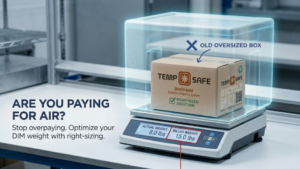
Traditionally, cold chain boxes were very inefficient, up to 65% of the box was just coolant. This is expensive because shipping companies charge you based on the size of the box (dimensional weight). By using advanced materials like PCMs, you can reduce the amount of coolant needed. This allows you to fit more product into a smaller, lighter box, which can reduce your total shipping costs by 5% to 7% annually.
Turning Packaging into a Profit Center
The numbers are clear: the cold chain is expanding in scale, cost, and complexity. But behind every statistic, from the $35 billion in losses to the 1°C margin of error, is a patient or a waiting for a viable product.
Our goal is to bridge the gap between “good enough” shipping and a truly validated thermal strategy. By prioritizing high-performance materials and data-backed designs, we aren’t just managing a logistics cost, we are protecting the integrity of a life-saving product. In 2026, the best cold chain strategy is the one that turns a massive global risk into a reliable, repeatable success.
Are you ready to optimize your temperature-sensitive shipments?
Managing the cold chain is complex, but you don’t have to do it alone. Whether you are scaling a new product or looking to reduce your current shipping losses, our team is here to help you get the math right.
Talk with a Cold Chain Specialist Today to evaluate your current packaging strategy and operational efficiency.