

For Integrated Delivery Networks, cold chain performance is rarely the primary strategic focus until it becomes a visible problem. A single temperature excursion can result in the loss of vital biologic products, prompting pharmacy leaders to escalate the issue immediately. Compliance teams then begin reviewing documentation, replacement products are rushed in, and hidden expenses quietly build up across multiple facilities.
As biologics continue growing at nearly 9 to 10 percent annually, they now represent a substantial share of total medicine spend. This means an integrated delivery network is carrying more high value refrigerated inventory than ever before. Simultaneously, health system consolidation continues to accelerate. With nearly half of U.S. physicians now affiliated with large systems, many IDN leaders are managing expanding geographic footprints and newly acquired facilities that often lack standardized protocols.
Cold chain is no longer just a packaging decision. It is an operational discipline that directly affects pharmacy margin, compliance exposure, and patient outcomes. High performing systems improve performance without adding unnecessary labor or disruption to the healthcare workflow.
Market Forces Increasing Operational Pressure
The urgency around cold chain is not temporary. Several factors are driving the need for better healthcare logistics:
- Biologics Growth: The global biologics market is projected to exceed USD 1 trillion within the next decade.
- Specialty Therapies: Newer treatments increasingly require strict 2°C to 8°C control or ultra frozen handling.
- Consolidation: Health system consolidation introduces workflow variability before operational alignment can occur.
- Margin Pressure: IDNs must protect pharmacy margins to ensure patient outcomes remain high despite rising costs.
As IDNs expand, temperature control complexity increases proportionally. Cold chain excellence becomes a fundamental scalability issue.
The Operational Reality Inside a Modern Integrated Delivery Network
Cold chain breakdowns in IDNs rarely stem from a single catastrophic failure. More often, they are the result of small, repeatable inconsistencies across a broad network. These include:
- Different packaging systems used by various facilities
- Inconsistent refrigerant conditioning methods
- Variable dock dwell times during transit
- Manual and fragmented temperature documentation
- Limited shipment visibility once product leaves the central warehouse
- No centralized KPI ownership or accountability
Individually, these gaps may seem manageable. However, across dozens of facilities and thousands of temperature-controlled transfers per year, they compound into measurable waste and risk.
The healthcare cold chain logistics market itself is projected to grow from approximately USD 60 billion in 2024 to more than USD 95 billion by 2030, reflecting how rapidly the industry is investing in temperature control infrastructure. For IDNs, the pressure is operational, not theoretical.
Strategic Sustainability: Efficiency Without Complexity
In the modern healthcare landscape, sustainability has evolved from a voluntary initiative into a core requirement for long term operational resilience. For an integrated delivery network, the environmental impact of the supply chain is increasingly managed through a hybrid approach: utilizing smarter material choices, process optimization, and targeted reusable programs.
Sustainable Material Innovation
For many IDNs, the logistics of a return program are not always feasible for every location. Instead, sustainability is achieved by matching the right system to the right lane:
- Recyclable Insulation: Moving toward curbside-recyclable fiber or paper-based insulation that maintains strict temperature profiles while simplifying disposal for clinical staff.
- Targeted Reusable Programs: For predictable, high-volume “closed-loop” lanes, such as daily transfers between a central distribution hub and a large hospital – reusable shippers offer the ultimate reduction in waste. These systems can be used for hundreds of cycles, providing a stable, durable solution that eliminates the need for constant disposal.
- Volume Optimization: Using “right-sized” packaging to reduce the amount of secondary corrugated and refrigerant used per shipment. This decreases the total cubic volume transported across the health system, lowering the carbon footprint of the courier fleet.
- Monomaterial Design: Prioritizing packaging made from a single material type significantly increases the likelihood of successful recycling at the facility level.
Reducing “Process Waste”
Sustainability in an IDN is also about reducing the waste of high-value resources. Every temperature excursion results in a biologic product becoming medical waste – a significant environmental and financial hit.
- Validated Precision: Using data-backed packouts prevents the “insurance” of adding extra gel packs, which adds unnecessary weight and waste to the supply chain.
- Hybrid Flexibility: High-performing IDNs often use a mix of reusable shippers for fixed routes and high-efficiency recyclables for one-way shipments to distant clinics. This ensures the health system is not forcing a “one-size-fits-all” logistics model that creates its own inefficiencies.
- Decreasing Rework: By getting the cold chain right the first time, a health system avoids the doubled carbon footprint of shipping replacement medications and disposing of ruined inventory.
The Alignment of Margin and Mission
A sustainable cold chain strategy focuses on resource stewardship. By minimizing the physical materials used and maximizing the success rate of every shipment, an IDN protects its pharmacy margins while advancing its mission of community health. This approach ensures that the healthcare delivery model remains lean, compliant, and environmentally responsible for the long term.
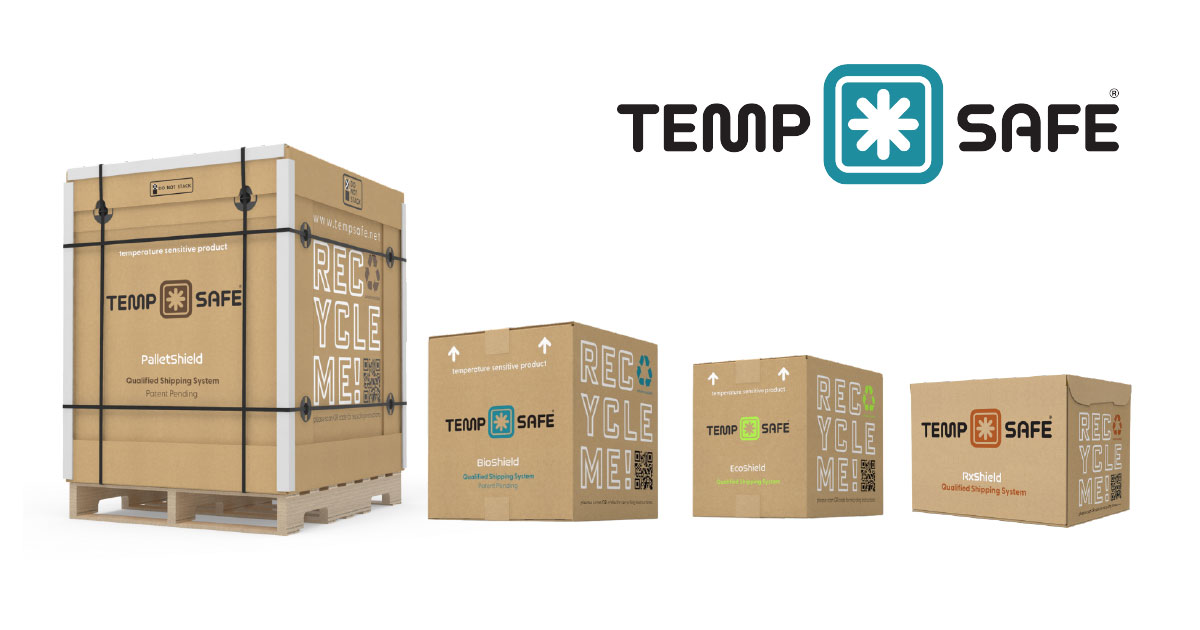
Learn more about Veritiv’s TempSafe® curbside recyclable line of cold chain packaging and how it can support your sustainability goals.
Where Does Cold Chain Typically Breaks Down in IDNs?
- Interfacility Transfers
Short-distance courier moves between hospitals and clinics are often treated as minimal risk. In reality, they are among the most vulnerable exposure points. Product may be staged at ambient temperature before pickup or delayed during receiving at a satellite clinic. Because these transfers are frequent, small deviations create significant annual waste. Operational improvement begins by validating packaging and handling protocols specifically for interfacility lanes.
- Facility-to-Facility Variability
Acquired facilities often inherit different refrigeration equipment, monitoring systems, and storage workflows. Some sites use continuous digital monitoring while others rely on manual paper logs. Without network level standardization, performance varies widely. Without network-level standardization, performance varies widely. A shipment that holds 2°C to 8°C reliably in one facility may experience exposure elsewhere simply due to conditioning or staging differences.
- Inconsistent Packout Practices
Improper refrigerant conditioning remains one of the most common causes of excursions. Over-frozen gel packs can push internal temperatures below its required threshold, while underconditioned packs reduce hold duration. When packout knowledge lives informally with staff rather than within documented procedures, repeatability suffers and the supply chain become fragile.
- Fragmented Accountability
Cold chain ownership often spans supply chain, pharmacy, facilities, and quality teams. Without defined KPI ownership, performance becomes reactive. Temperature control is then treated as an incident to manage rather than a system to optimize for long term stability.
What Operationally Strong IDNs Do Differently
High-performing IDNs focus on repeatability and control rather than complexity. They treat the supply chain as a strategic asset.
Network-Wide Packaging Standardization
Leading systems define validated passive packaging configurations for:
- Controlled room temperature shipments at 20°C to 25°C
- Refrigerated applications at 2°C to 8°C
- Frozen lanes at -20°C
- Ulta low temperature shipments when required
- High-risk or extended-duration lanes across all bands
Standardization reduces training variability, improves audit defensibility, and ensures consistency as product mix evolves.
Risk-Based Deployment of Real-Time Monitoring
Not every shipment requires active tracking. However, high-value or high-risk lanes benefit from IoT monitoring.
Real-time visibility supports:
- Early intervention
- Pattern recognition across lanes
- Measurable reduction in excursions
The goal is fewer surprises, not more dashboards.
Centralized Temperature Data
Operational maturity requires consolidating temperature data across facilities.
This allows IDNs to track:
- Excursion rates
- Lane-specific risk concentration
- Product loss trends
- Compliance documentation consistency
Manual logs do not scale across expanding networks.
Proactive Lane Risk Assessments
Rather than responding to failures, strong IDNs evaluate:
- Seasonal ambient exposure
- Dock dwell patterns
- Receiving delays
- Refrigeration redundancy
Risk mapping often reveals that most exposure risk is concentrated in a small subset of lanes.
Managing Total Cost, Not Just Unit Cost
Cold chain decisions often default to packaging price comparisons. Operationally, the more meaningful metric is total cost per protected shipment.
This includes:
- Product waste from excursions
- Labor for rework and investigation
- Emergency resupply costs
- Audit preparation time
- Disruption to patient outcomes and care
When evaluated holistically, modest improvements in containment performance and process control frequently reduce overall network cost.
A Four Phase Strategy for Operational Improvement
Improving the supply chain within an integrated delivery network requires understanding how product moves through your specific facilities. We approach this through four practical phases.
- Current-State Assessment
We map temperature-controlled lanes and workflows, including interfacility transfers and packaging variability by site. The objective is to identify where variability introduces measurable risk to the health system.
- Thermal Validation and Lane Testing
We validate packaging performance under real world conditions. This includes summer and winter simulation profiles and side by side performance comparisons. The result is documented data that supports compliance and internal decision making.
- Standardization Without Disruption
Operational improvement only works if it fits existing workflows. We focus on simplified packout systems, clear visual work instructions, and cross facility alignment. The goal is repeatability without adding extra steps for busy clinical staff.
- Measurement and Continuous Improvement
We help define and track practical KPIs such as temperature excursion rates and reduction in product loss. This ensures that the healthcare delivery remains consistent and defensible over time.
Learn more about how Veritiv can support your cold chain programs.
The Operational Opportunity for IDNs
As biologics continue to grow and consolidation expands network complexity, cold chain performance increasingly affects pharmacy margin protection, and compliance exposure. Cold chain improvement does not require overhauling your entire system. It requires reducing variability where it matters most.
For an integrated delivery network navigating growth and rising specialty drug spend, the most effective cold chain strategies are practical and repeatable. Operational excellence is not about adding complexity. It is about removing uncertainty across every shipment, every lane, and every facility in your network.
Operational excellence in cold chain is not about adding complexity. It is about removing uncertainty — across every temperature-controlled shipment, every lane, and every facility in your network.