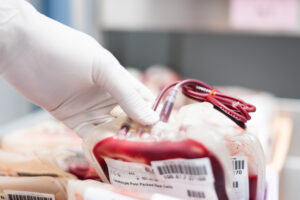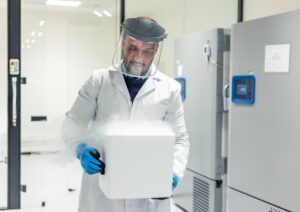
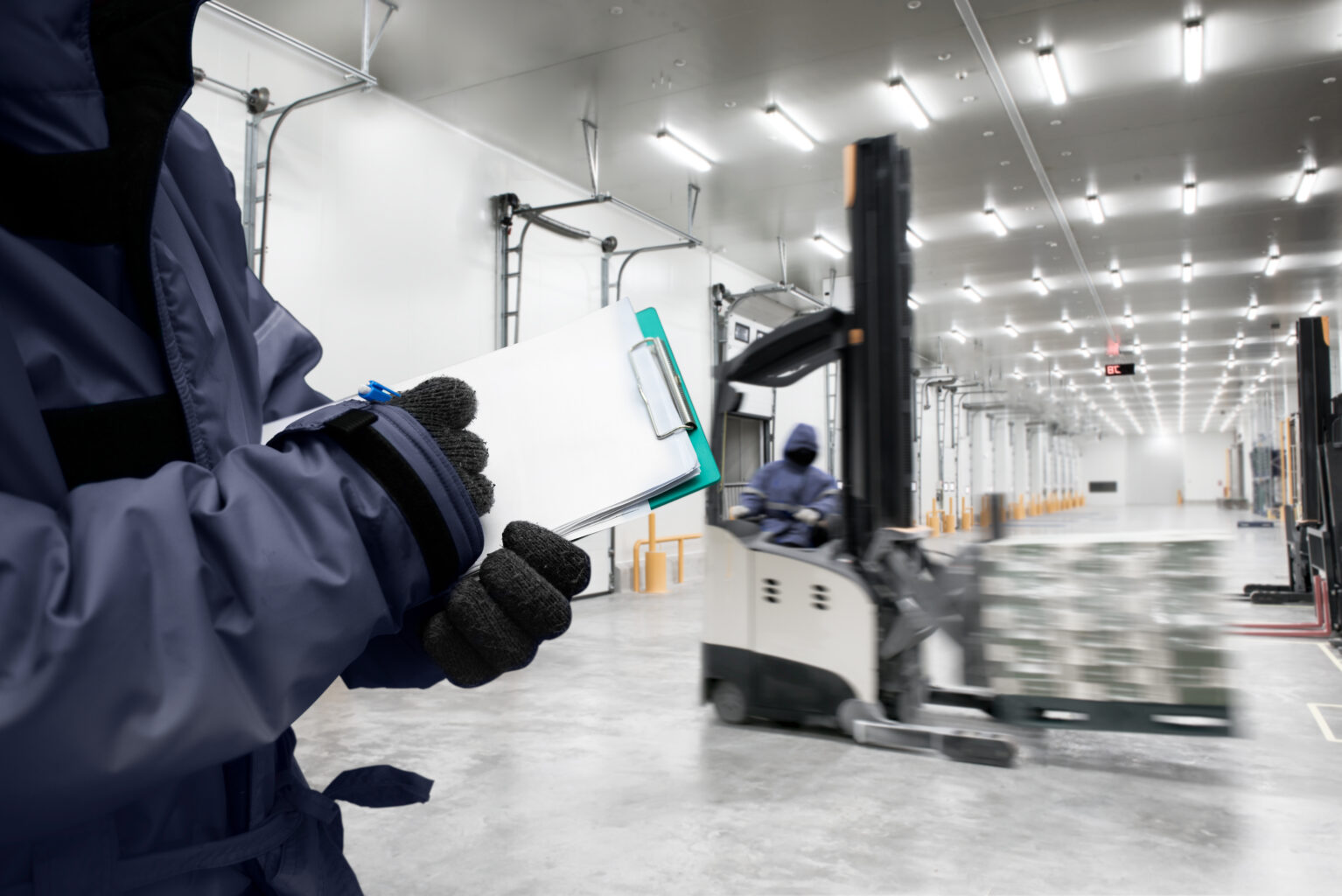
Cold chain logistics sits at the center of modern healthcare. From vaccines and biologics to diagnostic reagents and advanced therapies, more products than ever require a specific temperature range to stay safe, stable, and effective. As global demand grows and therapies become more complex, the need for reliable temperature-controlled systems has never been greater. Cold chain logistics ensures that temperature sensitive products move through storage and transport conditions that protect their safety and efficacy from the first mile to the last.
Why is Temperature Control Critical in Healthcare Supply Chains?
Temperature controlled systems are not optional. They are fundamental to product quality, regulatory compliance, and patient well-being.
- Rising Stakes for High-Value Therapies: The proliferation of expensive and sensitive biologics, cell therapies, and gene therapies has intensified the need for robust temperature control mechanisms throughout the supply chain.
- Direct-to-Patient Delivery Challenges: The shift toward decentralized clinical trials and home-based deliveries brings new unpredictability, making last-mile temperature maintenance increasingly complex.
- Demand for Real-Time Monitoring: Pharmaceutical firms now expect continuous, real-time temperature tracking, GPS-enabled traceability, and comprehensive chain-of-custody oversight to ensure that products remain within safe parameters from origin to patient.
- Advanced, Resilient Packaging: Innovative packaging solutions must withstand real-world variability, particularly during the last mile, protecting sensitive products from external temperature fluctuations and other risks.
- Standardization and Workflow Simplification: Streamlining logistics operations and reducing SKU variability help minimize the risk of temperature excursions, optimizing both efficiency and reliability.
- Measurable Sustainability: The industry is increasingly adopting recyclable packaging and leveraging data-driven sustainability metrics, making environmentally responsible decisions a key component of modern pharmaceutical supply chains.
As pharmaceutical supply chains continue to evolve, the role of 3PLs and last-mile providers in mastering cold chain logistics will prove vital to delivering life-changing therapies safely and efficiently. Investing in advanced technologies, resilient packaging, and sustainable practices ensures that both patient outcomes and regulatory expectations are met—even in the most challenging last-mile scenarios.
What Causes Temperature Excursions in a 3PLs Cold Chain? The Last Mile’s Hidden Risk
Key temperature ranges in healthcare cold chains
- Controlled room temperature: 20 to 25°C
- Refrigerated: 2 to 8°C
- Frozen: minus 10 to minus 20°C
- Deep frozen: minus 60 to minus 80°C
- Cryogenic: below minus 150°C
Different biologics and pharmaceutical products require different temperature-controlled systems. For instance, vaccines typically require refrigerated conditions, while cell and gene therapies may need cryogenic temperatures.
According to studies published in Therapeutic Innovation & Regulatory Science and the Journal of Pharmaceutical Sciences 45–55% of all temperature excursions occur in the final 50 miles of delivery.
What are the primary causes of temperature excursions?
- Exposure to heat and humidity spikes
- Variable driver handling practices
- Staging delays at facilities or residences
- Seasonal extremes (particularly summer surges)
- Low thermal mass in parcel-sized shipments
- Porch/doorstep dwell times in uncontrolled environments
Industry research from IQVIA Institute for Human Data Science estimates temperature-related failures account for $35 billion in annual pharmaceutical losses, much of which occurs during last-mile delivery.
As a result, 3PLs must rely on packaging systems engineered to neutralize last-mile variability, not merely comply with baseline regulatory standards.
What are the Risks of Temperature Fluctuations for 3PLs servicing healthcare?
Temperature fluctuations occur when a product is exposed to conditions outside the required temperature range. These fluctuations pose serious risks:
- Chemical Degradation: Active ingredients may break down, reducing safety and efficacy.
- Biological Instability: Biologic products, including proteins and cell materials, can become unstable and unusable.
- Compromised Diagnostic Results: Laboratory samples stored or transported incorrectly can produce inaccurate results.
- Regulatory Compliance Issues: Temperature excursions lead to quarantined batches, expensive investigations, and possible recalls.
- Financial Losses: A single shipment of high value therapies can exceed hundreds of thousands of dollars. Reliable temperature monitoring protects the investment.
Preventing temperature fluctuations is one of the most important goals in cold chain management.
What are Sustainability Trends in 3PLs Cold Chain Shipping?
Sustainability is a growing priority.
- Trend #1 Reusables carry a large carbon and cost “upfront load” and only outperform single-use systems when 80%+ return rates are achieved.
- Trend #2 Most DTP lanes see 20–40% returns, making reusables less sustainable in practice.
- Trend #3 Recyclable fiber-based shippers, lightweight thermal liners, and optimized PCM loads frequently deliver lower total lifecycle impact.
- Trend #4 Increasingly, manufacturers and logistics providers are also considering Extended Producer Responsibility (EPR) regulations, which require companies to take greater accountability for the end-of-life management of their packaging materials. By prioritizing recyclable and easily recoverable packaging, organizations can better comply with EPR mandates, reduce waste, and demonstrate a commitment to sustainable supply chain practices.
To learn more about Extended Producer Responsibility, listen to our EPR Masterclass podcast.

Top Priorities in Cold Chain Logistics for 3PLs Serving Healthcare Today
- Packaging that maintains performance in real-world conditions
- Globally standardized SKUs to reduce variability
- Simplified workflows to minimize excursion risk
- Full supply chain visibility and integrated data
- Authentic, measurable sustainability metrics
- Rapid replenishment and consistent supply continuity
3PLs that meet these needs earn customer trust and secure long-term partnerships.

What Can 3PLs Deliver to Meet Today’s Cold Chain Expectations?
- Innovative Temperature-Controlled Packaging: Advanced solutions include vacuum-insulated panels, phase-change materials, recyclable shippers, tamper-evident designs, and global qualification documentation. The goal: absorb variability so products remain protected and compliant throughout transit.
- Intelligence and Real-Time Data Integration: Integrated visibility allows for immediate intervention, seasonal risk modeling, route analysis, and predictive temperature management, resulting in up to 40% fewer temperature excursions.
- Standardized workflows and protocols: such as pack-out scripts, driver handling procedures, staging time limits, and seasonal adjustment playbooks, reduce human error, and enhance consistency.
How Veritiv Supports Healthcare 3PLs and Last-Mile Success
Veritiv supports 3PLs and pharmaceutical logistics providers with:
- Validated thermal shippers for 2–8°C, CRT, frozen, and ultra-cold
- Recyclable and fiber-based sustainable packaging options
- Engineering support for seasonal profiles and lane testing
- Good/Better/Best solution sets aligned with risk and cost
- National inventory positioning for rapid replenishment
- Global supplier partnerships enabling SKU harmonization
Learn more about Veritiv’s Distribution Testing >
The Future of Cold Chain Logistics for Healthcare 3PLs
Reliable cold chain logistics is now a defining capability for 3PLs and last-mile providers. As high-value therapies proliferate and care becomes more decentralized, logistics partners must offer precision, visibility, sustainability, speed, and operational excellence. Carriers that safeguard pharmaceutical integrity without compromise will lead the future of healthcare supply chains.
Get Started with Veritiv Today! >