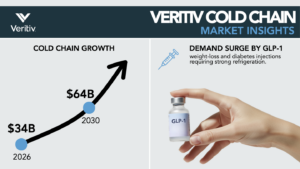

What Is Cold Chain?
Every shipment of a vaccine, biologic, or temperature-sensitive medication carries risk. If temperatures drift outside the required range even briefly, products can lose effectiveness, fail compliance standards, or become unusable.
That is where cold chain comes in.
Cold chain is a temperature-controlled supply chain designed to keep products within a defined temperature range from manufacturing to final delivery. In healthcare, cold chain is essential for protecting product integrity, ensuring patient safety, and meeting strict regulatory requirements.
As specialty pharmaceuticals, vaccines, and direct-to-patient delivery continue to grow, cold chain has become a critical part of healthcare logistics, not just an operational detail.
What Is Cold Chain Shipping?
Cold chain shipping is the process of transporting temperature-sensitive products using specialized packaging and monitoring systems to maintain a consistent temperature range throughout transit.
This includes:
- Insulated shipping containers
- Refrigerants such as gel packs or phase change materials (PCM)
- Temperature monitoring devices
- Validated packout designs
Cold chain shipping is designed to protect products from external conditions like heat, cold, and transit delays.
For example, many pharmaceutical shipments must remain within 2–8°C for up to 96 hours, requiring engineered packaging and tested configurations.
Learn how engineered packaging solutions support performance in real-world shipping conditions: www.coldchain.veritiv.com
Cold chain shipping is widely used across:
- Specialty pharmacy distribution
- Clinical trials
- Biopharma logistics
- Direct-to-patient delivery
What Is Cold Chain for Vaccines?
Cold chain for vaccines refers to the systems and processes used to store and transport vaccines within strict temperature ranges to maintain their effectiveness.
Most vaccines require:
- 2–8°C storage and transport
- Some biologics require -20°C
- Ultra-cold vaccines may require -70°C
Exposure to temperatures outside these ranges can reduce potency and compromise patient outcomes.
Because of this, vaccine distribution relies on:
- Validated cold chain packaging
- Continuous temperature monitoring
- Controlled handling procedures
See how Veritiv supports vaccine distribution with validated cold chain solutions: www.coldchain.veritiv.com
What Are the 3 Main Components of Cold Chain?
Cold chain relies on three core components working together:
1. Temperature-Controlled Packaging: Insulated shippers, refrigerants, and outer packaging designed to maintain temperature for a defined duration.
2. Transportation & Handling: Shipping methods, transit time, and handling conditions that impact temperature stability from origin to destination.
3. Monitoring & Validation: Data loggers and thermal testing (such as ISTA protocols) that confirm performance and provide compliance documentation.
When these components are aligned, companies can reduce temperature excursions and improve reliability.
Explore how Veritiv engineers validated packaging solutions for performance and compliance: www.coldchain.veritiv.com

Cold Chain Temperature Requirements Explained
Cold chain temperature requirements vary depending on product type, but most healthcare shipments fall into standard ranges:
- Controlled Room Temperature (CRT): 15–25°C
- Refrigerated: 2–8°C
- Frozen: -20°C
- Ultra-Cold: -70°C or below
Maintaining these ranges is essential for regulatory compliance, including:
- Good Distribution Practice (GDP)
- USP <1079> guidelines
Temperature excursions can occur due to:
- Poor packaging design
- Extreme weather conditions
- Shipping delays or handling issues
This is why many organizations conduct lane risk analysis and thermal testing before shipping.
Request a lane risk analysis to validate your shipping conditions:
Get Started
Cold Chain Examples in Healthcare and Food
Cold chain supports a wide range of applications across healthcare and food industries.
Healthcare Examples
- Shipping vaccines to hospitals and clinics
- Delivering specialty medications directly to patients
- Transporting diagnostic samples to laboratories
- Supporting clinical trials across multiple locations
Food & Beverage Examples
- Meal kit delivery services shipping fresh ingredients
- Fresh pet food requiring refrigerated transport
- Dairy, meat, and seafood distribution
While requirements vary, the goal remains the same: maintain temperature control to protect product quality and safety.
Bringing It All Together
Cold chain is a critical system for protecting temperature-sensitive products across healthcare and food supply chains.
For healthcare organizations, strong cold chain performance means:
- Protecting patient safety
- Maintaining product effectiveness
- Reducing waste and financial loss
- Meeting regulatory requirements
As demand for temperature-sensitive shipping continues to grow, companies need solutions that are tested, validated, and built for real-world conditions.
Connect with a cold chain expert to evaluate your packaging and improve performance: Get Started