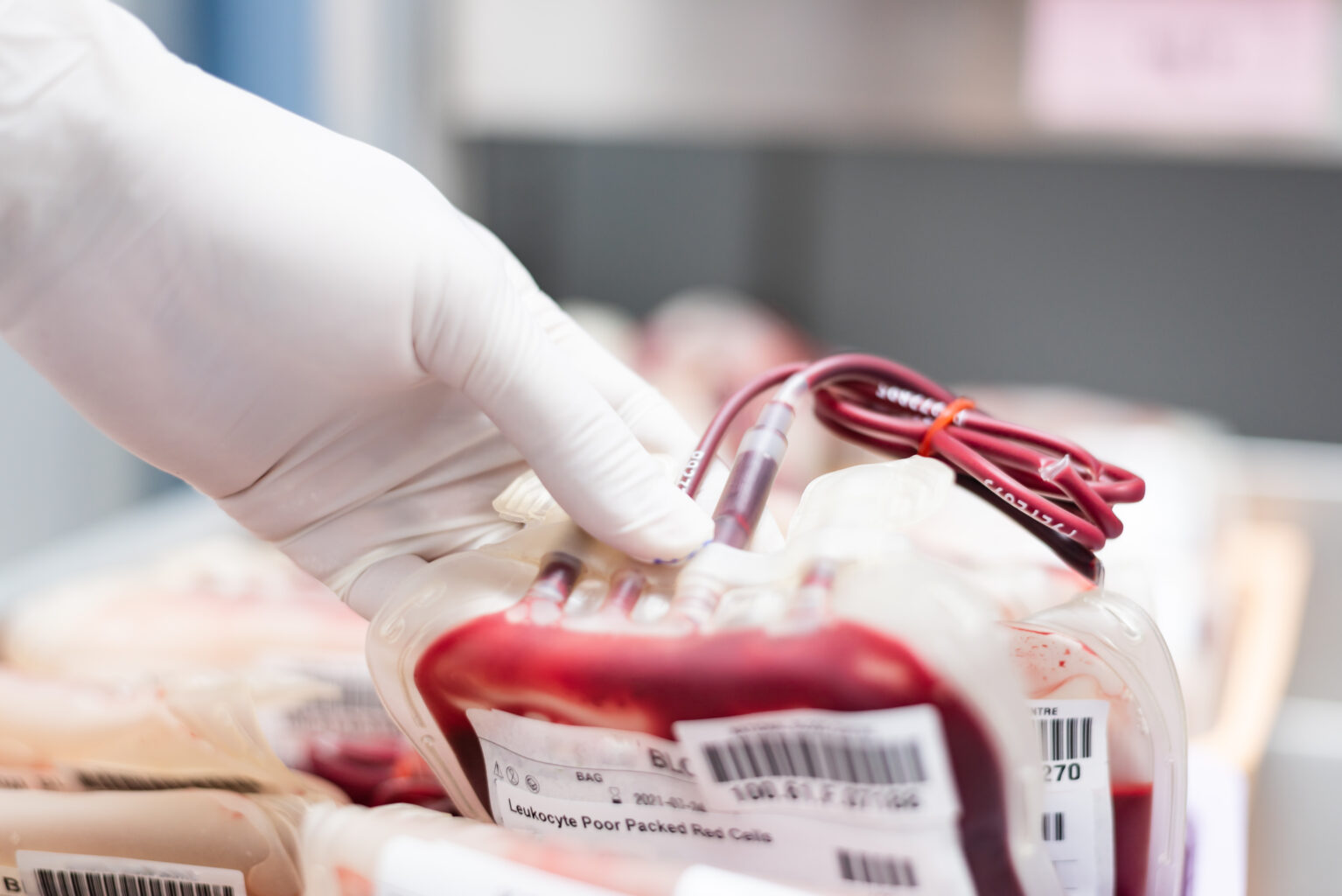
Blood transfusion is one of the most essential and lifesaving procedures in modern medicine. Every day, hospitals and healthcare systems rely on red blood cells, plasma, platelets, cryoprecipitate, and whole blood to treat trauma patients, support complex surgeries, manage chronic diseases, and respond to emergencies. While transfusion is common, the process behind safely delivering blood products to patients is highly complex and tightly regulated.
At the center of transfusion safety is temperature control. Blood and blood components are temperature sensitive biological products. From the moment blood is donated until it is transfused into a patient, it must remain within strict temperature ranges. Any deviation can reduce efficacy, shorten shelf life, or make the product unsafe for use.
This is why cold chain management is a foundational requirement in blood banking and transfusion medicine. Regulatory agencies and global health organizations, including the World Health Organization, the AABB, and the US Food and Drug Administration under 21 CFR Part regulations, mandate strict controls for the storage and transportation of blood products.
What Is the Blood Cold Chain and Why Does It Matter for Transfusion Safety?
The blood cold chain is the controlled temperature system used to collect, process, store, transport, and distribute blood and blood components. Its purpose is to prevent temperature fluctuations that can compromise product integrity.
Blood products are living biological materials. Exposure to temperatures outside validated ranges can damage red blood cells, reduce plasma protein activity, promote bacterial growth, or shorten platelet viability. Even short temperature excursions can lead to product discard or increased risk to patients.
A reliable blood cold chain must protect the following products:
- Red blood cells
- Plasma
- Platelets
- Cryoprecipitate
- Whole blood
Maintaining temperature control across the entire chain helps healthcare providers:
- Preserve biological function
- Maintain patient safety
- Comply with 21 CFR Part requirements
- Meet WHO and AABB standards
- Extend shelf life
- Reduce product waste
- Improve transfusion outcomes
Because blood products cannot be reconditioned after temperature excursions, every step in the cold chain must be validated, monitored, and documented.
Why Is Temperature Control Critical for Red Blood Cells, Plasma, and Platelets?
Each blood component has unique temperature requirements that support its safety and therapeutic function.
Red Blood Cells: Red blood cells must be stored and transported between 1-6°C. They should not be placed in a freezer under any circumstances. Exposure to higher temperatures accelerates hemolysis and reduces oxygen carrying capacity. Exposure to freezing temperatures destroys cell membranes.
Platelets: Platelets are stored at 20-24°C and require continuous agitation to prevent clumping. Because they are stored at room temperature, platelets are particularly vulnerable to bacterial growth if conditions are not carefully controlled.
Plasma and Cryoprecipitate: Fresh frozen plasma and cryoprecipitate must be stored at -18°C or colder. Freezing preserves clotting factor activity. Temperature deviations can reduce therapeutic effectiveness.
Whole Blood: Whole blood is stored between 1-6°C before processing into components. Improper temperatures before separation can affect the quality of all derived products.
Incorrect temperature control can lead to:
- Hemolysis in red blood cells
- Loss of clotting factor activity in plasma
- Increased bacterial growth risk in platelets
- Reduced therapeutic effectiveness
- Product discard due to temperature excursions
- Increased risk of transfusion reactions
Temperature control in blood banking is not optional. It is a critical patient safety requirement.
How Is Blood Collected and Handled After Donation?
The cold chain begins immediately after donation. Whole blood must be handled carefully to prevent early temperature deviations.
Key practices include:
- Maintaining whole blood between 1-10°C prior to processing
- Recording collection times and temperatures
- Using validated transport containers for movement to processing centers
- Maintaining complete documentation for traceability and compliance with 21 CFR Part regulations
Early handling errors can affect downstream storage stability and shelf life.
How Is Blood Transported to Hospitals Without Temperature Excursions?
Transportation presents the highest risk for temperature fluctuations. Blood products are exposed to changing environments, transit delays, and manual handling.
Best practices for blood product transport include:
- Use of validated medical grade insulated containers
- Properly conditioned refrigerants or phase change materials
- Accurate precooling or pre heating of packaging components
- Continuous temperature monitoring with data loggers
- Sealed containers that limit air exchange
- Trained couriers familiar with blood-handling requirements
- Pre-planned routes that minimize delays
What Challenges Place Blood Products at Risk During Storage and Transportation?
Even with strong systems in place, blood products face several ongoing risks.
Temperature Excursions
Temperature excursions remain the leading cause of blood product waste. Power failures, door openings, transport delays, and improper handling can all lead to out-of-range conditions.
Short Shelf Life
Blood products have limited usability windows:
- Platelets typically last 5 to 7 days
- Red blood cells last up to 42 days
- Thawed plasma lasts approximately 5 days
Regulatory Compliance
Blood banks and hospitals must comply with multiple regulatory frameworks, including:
- 21 CFR Part regulations
- World Health Organization guidance
- AABB standards
- State and local health authority requirements
Failure to maintain compliance can result in product loss, citations, or operational disruption.
What are blood shipments affected by?
- Outdoor temperature extremes
- Traffic delays
- Improper packaging selection
- Human handling error
Validated transport solutions and standardized procedures help reduce these risks.
How Do Modern Packaging and Monitoring Systems Protect Temperature Sensitive Blood?
Advances in cold chain technology have significantly improved blood product protection.
Modern transport systems may use:
- High performance foams: These are advanced insulating materials engineered to minimize heat transfer. High performance foams are lightweight yet highly effective at maintaining stable internal temperatures, even during extended transit or when exposed to variable external conditions. Their structure traps air and reduces thermal conductivity, making them ideal for packaging temperature-sensitive blood products.
- Phase change materials: Phase change materials (PCMs) absorb or release heat as they change from solid to liquid or vice versa at specific temperatures. In blood transport, PCMs are selected to match the required temperature range (such as 2–6°C for red blood cells). They help maintain a consistent environment inside containers by buffering against temperature spikes or drops during shipping.
- Vacuum insulated panels: These panels use a core material encapsulated in a vacuum-sealed barrier, dramatically reducing heat transfer. Vacuum insulated panels provide superior insulation compared to traditional materials, allowing blood products to remain within the desired temperature range for longer periods. They are especially useful for long-distance or high-risk shipments.
- Rigid medical transport containers: Constructed from durable, impact-resistant materials, these containers are designed to protect blood products from physical damage and environmental fluctuations. They often feature secure closures, tamper-evident seals, and compatibility with advanced insulation systems (such as foams, PCMs, or vacuum panels). Rigid containers are reusable, easy to clean, and provide standardized protection during transit.
- Sustainable materials and systems: Many organizations are now integrating eco-friendly packaging materials, such as recyclable insulation, reusable containers, and bio-based phase change materials. These sustainable solutions not only help reduce environmental impact but also support long-term cost efficiency and regulatory compliance.
Learn more about how Veritiv can support your Sustainability Initiatives
These materials provide thermal stability during extended or high-risk shipments, ensuring that blood products remain within safe temperature ranges throughout the journey. In addition to advanced insulation and container systems, real-time monitoring technologies further enhance the integrity of the blood cold chain.
- Real Time Temperature Monitoring: Digital sensors and wireless monitoring systems allow teams to track temperatures throughout storage and transit. Alerts enable immediate corrective action if conditions deviate.
- Data Loggers: Data loggers provide detailed temperature records that support quality assurance, audits, and regulatory inspections. They are essential for demonstrating compliance with 21 CFR Part requirements.
Together, these technologies help protect blood products from donation through transfusion.
What Best Practices Improve Blood Cold Chain Management?
Strong blood cold chain management combines technology, training, and process discipline.
Best practices include:
- Using validated packaging systems for all transport
- Monitoring temperatures continuously
- Calibrating equipment on a routine schedule
- Training staff on proper handling of temperature sensitive products
- Maintaining detailed shipment and storage records
- Implementing emergency power and backup plans
- Rotating inventory based on expiration dates
- Investigating and documenting all temperature excursions
- Conducting regular internal and external audits
A consistent approach reduces waste and improves transfusion safety.
What Trends Are Shaping the Future of Blood Cold Chain Systems?
As demand for blood products grows, the blood cold chain continues to evolve.
Trend # 1 More Precise Temperature Control
Smart packaging, improved insulation, and higher accuracy sensors are enabling tighter control and longer transit times.
Trend # 2 Increased Automation
Robotic inventory management, automated storage systems, and predictive analytics are improving efficiency and reducing human error.
Trend # 3 Integration With Electronic Medical Records
Direct integration of temperature data with electronic medical records improves traceability and transparency across healthcare systems.
Trend #4 Global Alignment of Standards
Greater alignment with WHO and AABB guidelines is improving consistency across international blood supply chains.
Trend # 5 Sustainable Packaging Solutions
Reusable transport containers, low waste materials, and environmentally responsible refrigerants are becoming more common as sustainability goals increase.
These trends support improved safety, reduced waste, and better access to lifesaving blood products.
Learn more about the TempSafe line – a sustainable cold chain solution

The Essential Role of Cold Chain Management in Blood Safety
A reliable blood cold chain is not simply a logistics function. It is a critical component of patient safety and transfusion quality. When temperature control is validated, monitored, and maintained at every stage, blood products retain their therapeutic value, waste is reduced, and healthcare systems can deliver safer and more effective care.
As technology, automation, and standards continue to advance, strong cold chain management will remain essential to protecting the integrity of blood transfusions and the patients who depend on them.