
As we recognize Earth Day 2026, cold chain logistics is facing a real shift. The challenge has always been the same: how do you protect temperature-sensitive products while reducing environmental impact?
Today, that tradeoff is changing. Sustainable cold chain is no longer about compromise. It’s about building systems that deliver both performance and measurable impact.
Fiber-Forward Engineering & Mono-Material Efficiency
One of the biggest changes we’re seeing is the move away from multi-material, hard-to-recycle packaging toward mono-material cold chain solutions. Fiber-forward packaging is leading that shift, delivering thermal performance comparable to EPS while aligning with existing North American recycling streams.
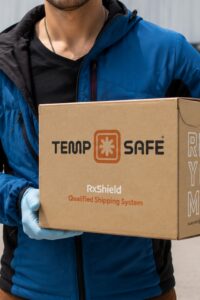
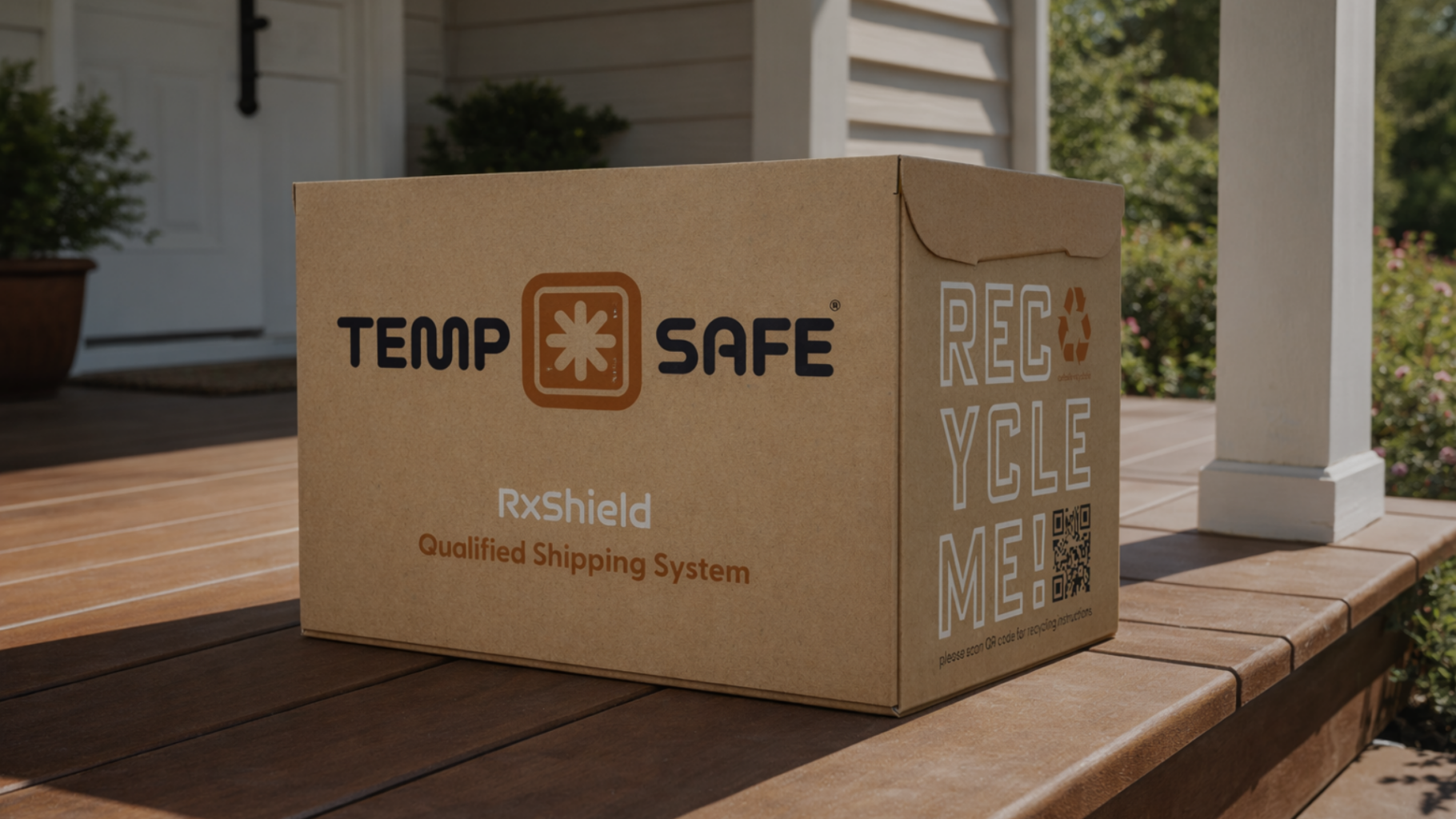
This shift is not just about sustainability metrics. It simplifies pack-outs, improves recyclability at the end of life, and reduces the complexity that often slows down operations. Standardizing around fiber-based systems like TempSafe® also helps teams scale more efficiently across distribution networks without introducing new risk.
For teams focused on material innovation, biomaterials are also gaining traction. Solutions like Cruz Foam, made from chitin (a byproduct of shrimp shells), are emerging as compostable alternatives that still meet performance requirements for thermal protection and durability.
Operational Efficiency Through Reusable Systems
Reusable passive shippers are becoming a practical way to reduce both waste and cost. Built with Vacuum Insulated Panels (VIPs) and Phase Change Materials (PCMs), these systems maintain tight temperature ranges for extended durations while lowering total cost of ownership over time.
Beyond sustainability, these systems create more control. Teams can reduce reliance on single-use materials, stabilize shipping performance across lanes, and better predict outcomes in environments where variability is the biggest risk. In many cases, reusables also unlock opportunities to consolidate shipments and reduce overall freight spend.
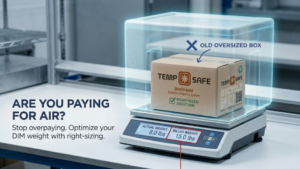
At Veritiv, we take a system-level approach. Through our ISTA lab, we engineer cold chain solutions based on real-world conditions, from dimensional weight optimization to EPR compliance packaging requirements.
EPR Compliance Is Now a Cost Factor
Extended Producer Responsibility (EPR) is no longer something to monitor. It is directly impacting cost structures.
We’re seeing this play out in real operations. A company shipping 750,000 temperature-controlled packages annually made a single material change, moving from EPS foam to fiber-based insulation. That shift reduced packaging-related carbon emissions by over 95%.
The financial impact was just as significant. EPS packaging would have driven roughly $1.2M in EPR fees. By switching to a recyclable fiber-based solution, those fees dropped to around $48K. What started as a sustainability initiative quickly translated into a measurable cost advantage tied directly to material selection.
Reducing Waste with Smarter Visibility
Product loss is one of the biggest sources of waste. That’s where smart cold chain sensors and digital temperature indicators come in.
With real-time visibility, teams can intervene before a shipment fails. That means fewer temperature excursions, less product loss, and more reliable performance overall. Over time, this data also helps identify weak points across lanes, carriers, and packaging configurations, turning reactive decisions into proactive improvements.
Advancing What’s Next in Sustainable Packaging Design
Beyond today’s solutions, Veritiv is actively developing what comes next through the Sustainable Design Lab. This includes PHA-based canisters designed to replace traditional plastics, seaweed-based films that offer new pathways for compostable barrier packaging, and reusable CPG packaging systems built specifically for reverse logistics.
These efforts are focused on solving real operational challenges, not just introducing new materials. Whether it’s improving recovery rates, reducing packaging waste across closed-loop systems, or designing for reuse at scale, the goal is to make sustainability practical in day-to-day operations.
That work is gaining recognition. Veritiv was recently named to Fast Company’s 2026 list of the World’s Most Innovative Companies, reflecting advancements in sustainable packaging design that are already being applied in market.
Building a More Resilient Approach
The path forward is not about choosing between performance and sustainability. It’s about designing systems that deliver both.
A sustainable cold chain approach is one that performs under real-world conditions, reduces waste, and adapts to changing regulatory and operational pressures.
If you’re rethinking your strategy, this is the moment to quantify the impact and identify where you’re overpaying, whether that’s in materials, dimensional weight, or EPR exposure.
Contact us today, to learn more about sustainable cold chain solutions.TempSafe®